Guide
How to Match Colors on a Desk: Undertones, Anchors and Neutrals
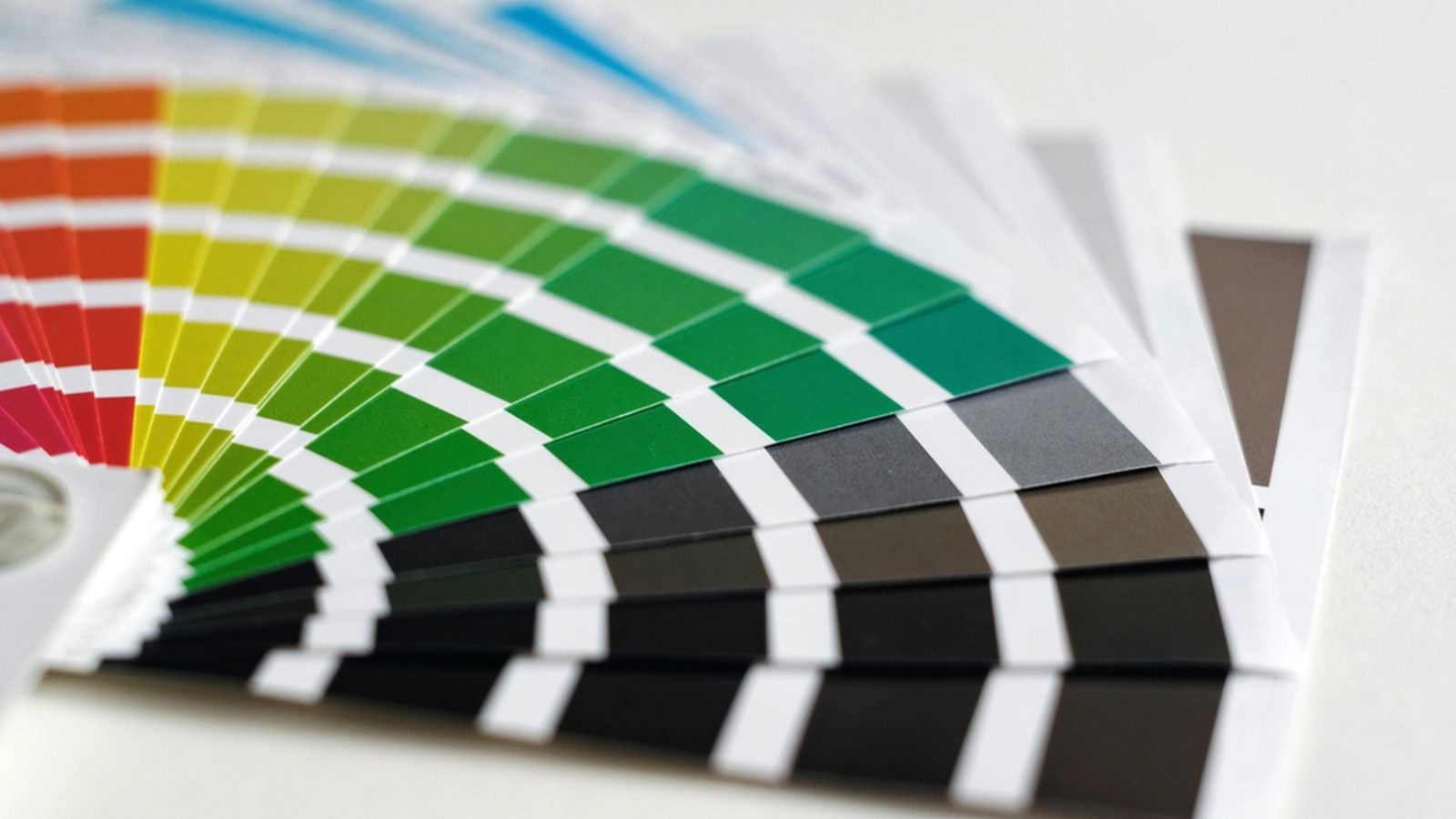
The instinct with a themed desk is to hunt down the exact same shade for every piece: one blue keyboard, one blue mouse, one blue desk mat, all as close to identical as the listings allow. That’s usually what makes the result look flat and artificial instead of considered. Real rooms don’t work that way, and a themed desk that actually reads as designed usually has more color variation in it than people expect going in.
Pick one anchor piece first
Before buying anything else, pick the one item that’s going to carry the theme, usually the keyboard or the desk mat since both sit in the middle of the desk and get seen first. Everything else gets chosen in relation to that piece rather than to the theme in the abstract. Buying five items independently and hoping they land in the same color family is how a “blue” setup ends up with five different, slightly wrong blues sitting next to each other.
Near matches read better than exact matches
Once the anchor piece is picked, the rest of the desk should sit close to its color rather than duplicating it. A teal mouse next to a true-blue keyboard reads as a considered palette; a mouse in the identical blue as the keyboard reads as a matched set bought off a single listing, which is a different and flatter look. The same logic is why a single room with all-identical furniture looks like a showroom instead of a home. A small amount of variation is what makes a color scheme look chosen rather than default.
Check the undertone, not just the color name
Two products both labeled “pink” can carry completely different undertones, one leaning toward coral and orange, the other toward magenta and purple, and putting them side by side can clash even though the listing titles match. This shows up constantly with mass-market accessories, where “lavender” from one brand and “lavender” from another aren’t the same color once they’re next to each other. Before buying, compare actual product photos side by side rather than trusting the color name in the title.
Let one material carry weight instead of doubling the color
A theme built entirely out of colored plastic and colored fabric starts to look like a toy aisle. Swap one piece for a material that carries the theme without repeating the color: wood grain for a forest theme, brushed metal for a minimal one. That does more for how designed a desk looks than another accessory in exactly the right shade. It’s the same principle behind why a single houseplant or wood object often does more visual work in a room than another matching item.
Account for how RGB lighting shifts every other color
Colored ambient lighting doesn’t just add its own color to a room, it shifts how every other color in that room reads. A warm-white keyboard can look slightly green under a cyan bias light, and a true white desk mat can pick up a visible tint from any strong RGB source nearby. If a setup includes colored lighting, judge the rest of the palette with that lighting on, not under a neutral room light. That’s the condition the desk will actually be seen in most of the time.
Keep neutrals literally neutral
A themed desk needs somewhere for the eye to rest, and that’s usually the neutral pieces, cables, a monitor stand, a desk itself. Picking a “neutral” that’s actually a very pale tint of the theme color removes that resting point and makes the whole desk feel like it’s trying too hard. A true black, white, or gray neutral does more to make the actual colored pieces stand out than a matching pale version of the same color would.
Buy the anchor piece first, live with it, then build outward
Ordering everything at once from six separate product photos is the fastest way to end up with a desk that looks fine online and off in person. Those photos were shot under different lighting and different white balance from each other. Buy the anchor piece and live with it under the room’s actual light for a few days. Then choose the next piece against what’s already sitting on the desk. That is far more reliable than ordering a full set from a mood board.