Guides
Practical, non-sponsored advice for building and maintaining a desk setup.
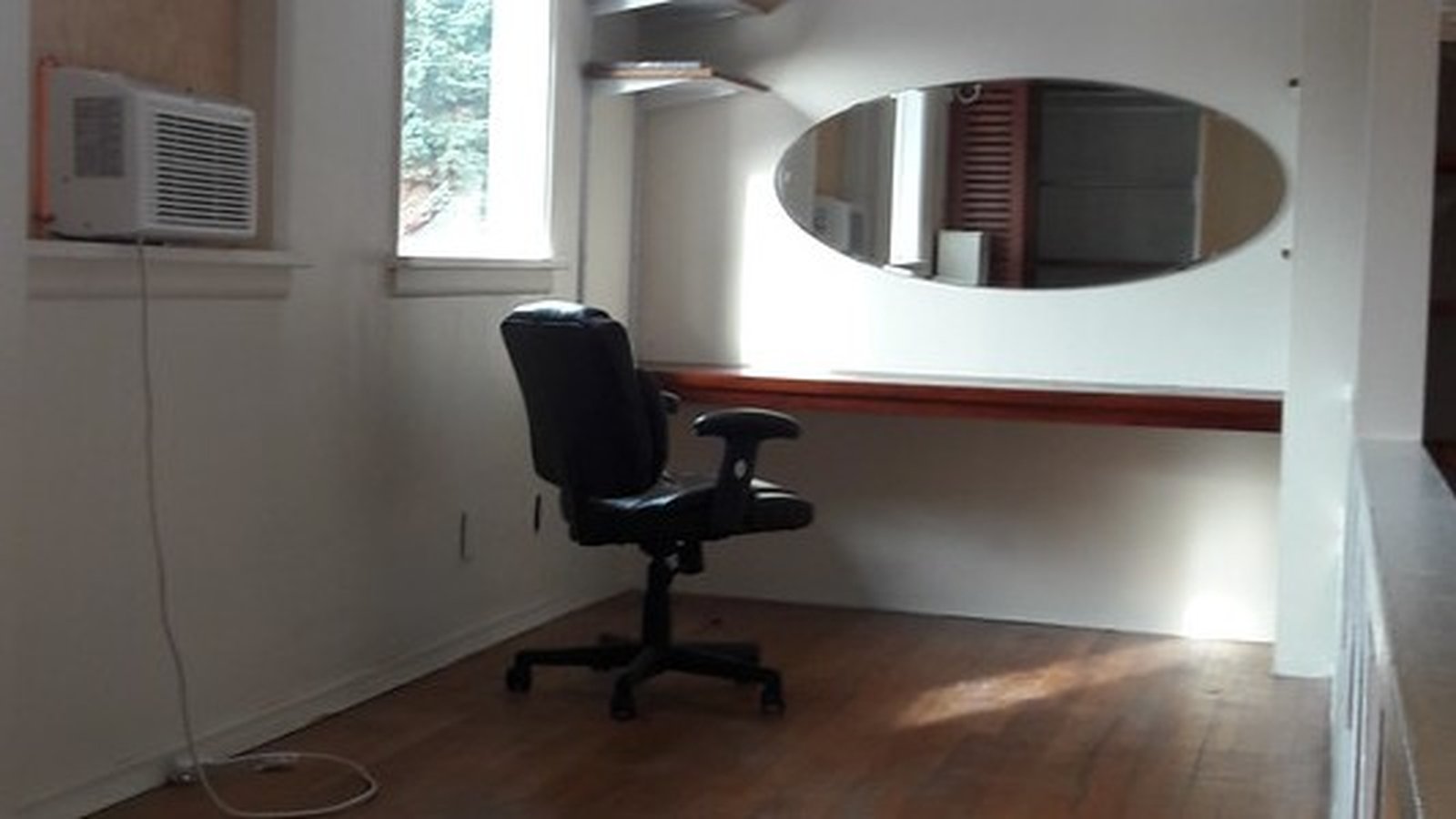
How to Choose a Lumbar Support Pillow for an Office Chair
A chair with no shape where the spine curves inward makes the lower back do work the backrest was supposed to share. Here's how curve depth, attachment, and a chair's own built-in shape decide whether an add-on pillow actually helps.
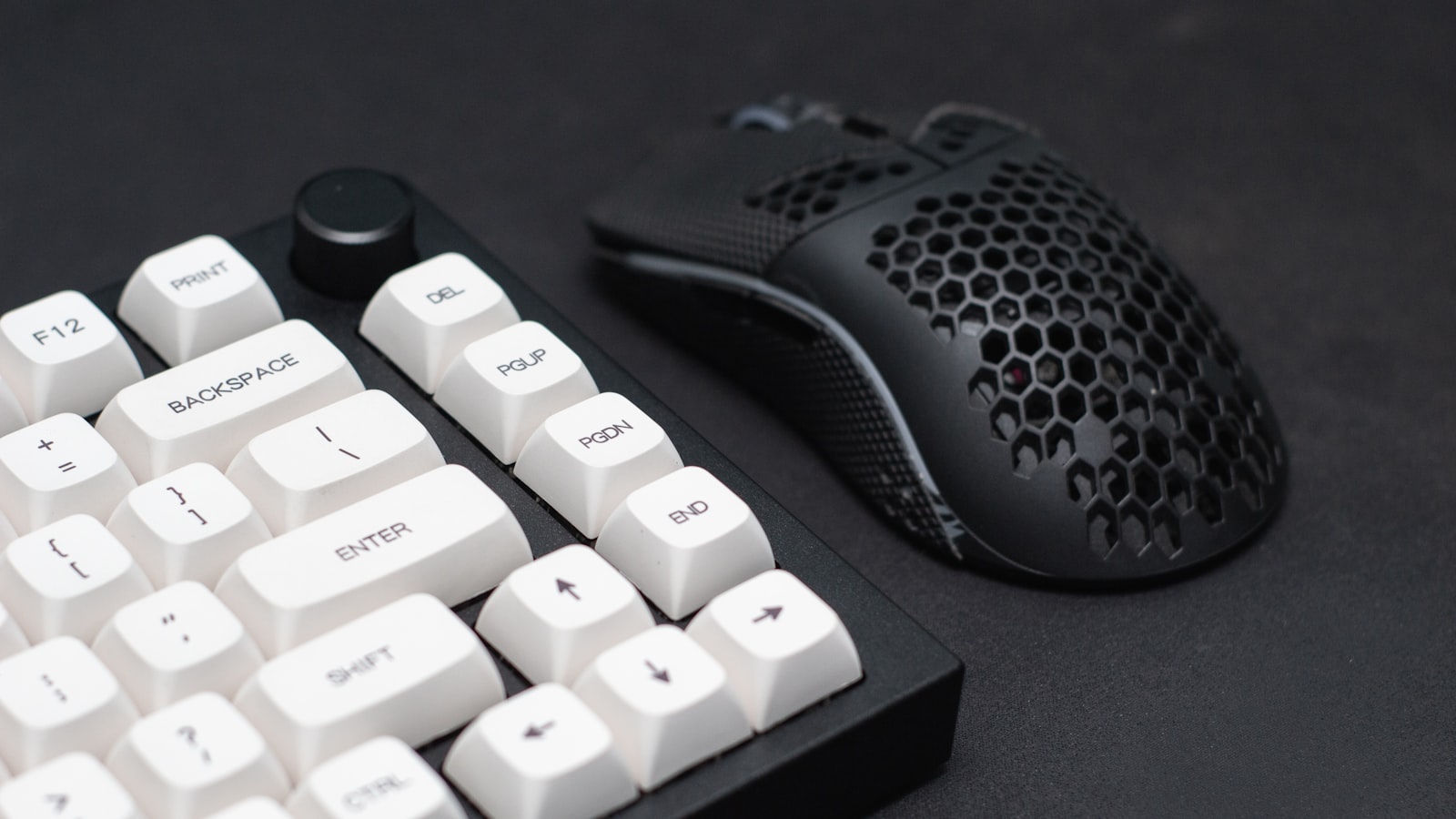
How to Choose a Screen Cleaner for a Computer Monitor
The smudge that dulls a monitor is usually oil, not dust, and the wrong cleaner just spreads it around or strips the anti-glare coating meant to cut it. Here's what the formula, the cloth, and the wipe technique each actually control.
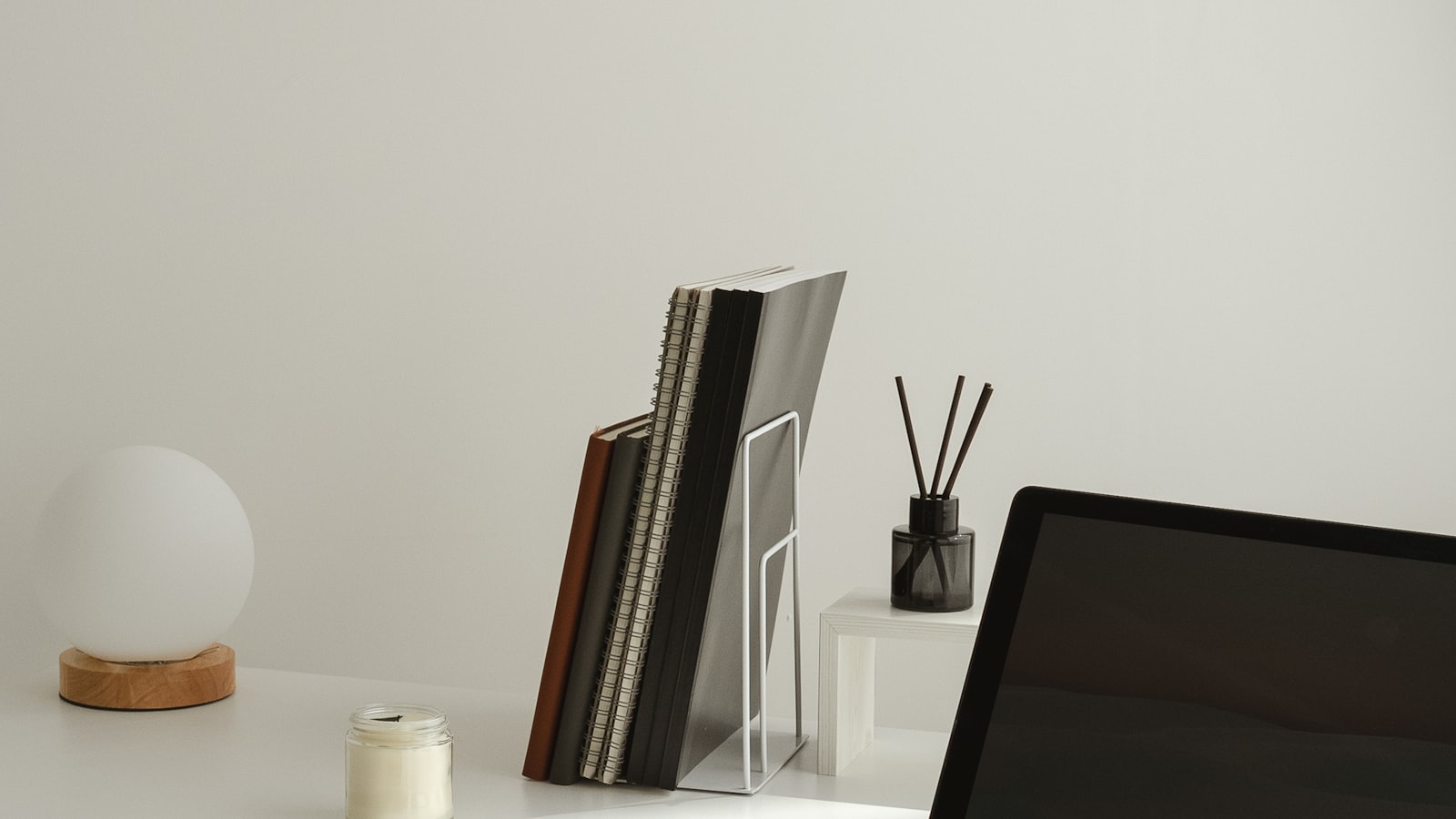
How to Choose Desk Shelves for a Computer Desk
A shelf that raises the monitor without leaving room for what used to sit under it just moves the clutter instead of clearing it. Here's how desk depth, load rating, and mounting style decide which kind actually helps.
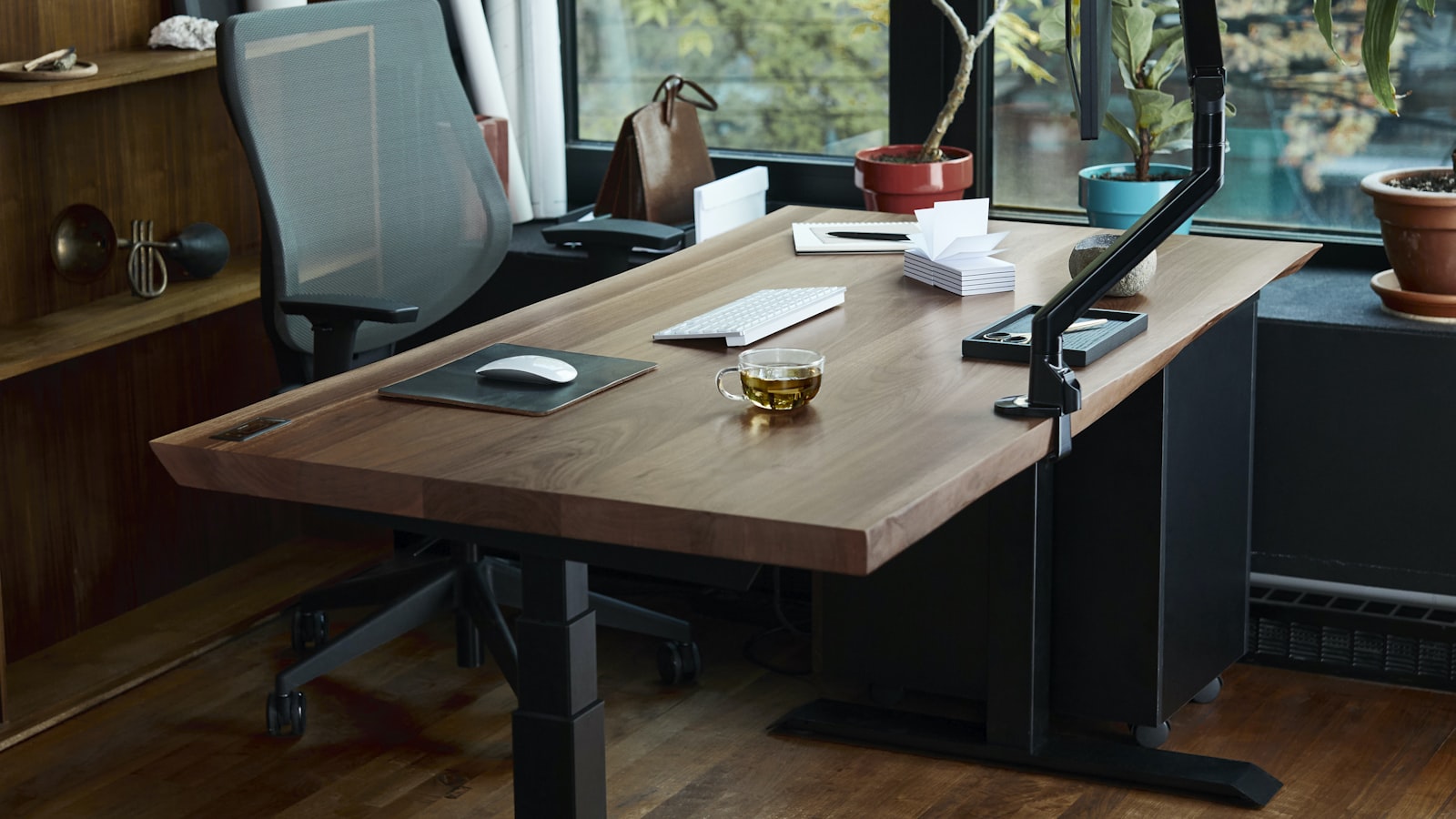
How to Choose a Standing Desk Converter
A converter borrows the desk underneath it, so the standing height it reaches depends on both. Here's how to check the lift range, worktop width, and keyboard tray before the desk you already own gets in the way.
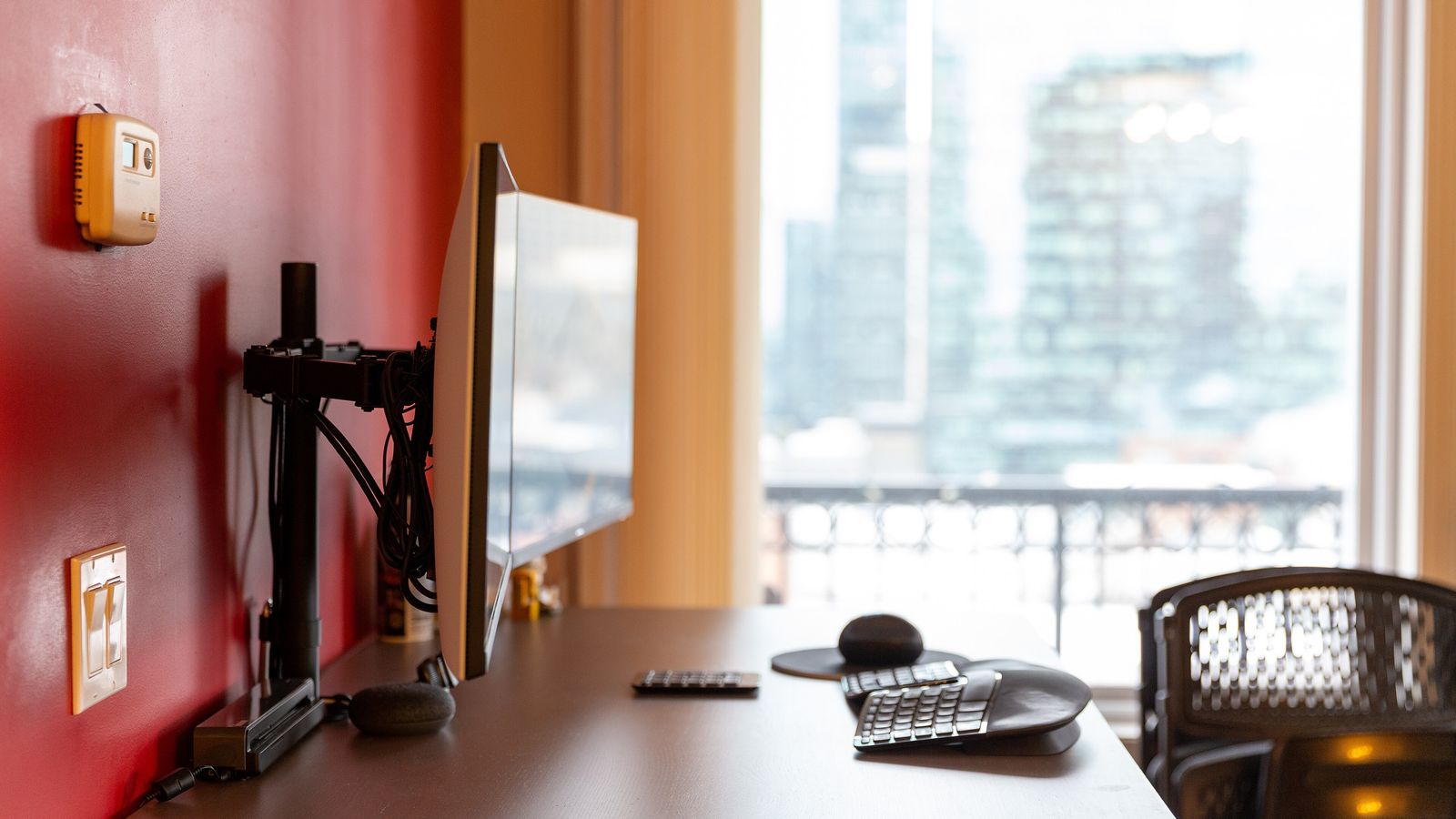
How to Choose a Monitor Arm With the Right VESA Mount
A monitor arm only earns its price if the VESA pattern actually matches, the desk can take the clamp, and the spring is tuned to the screen's real weight. Here's how to check all three, plus what extra reach costs in stability.
How to Choose an Office Chair Cushion
A cushion that doesn't match the seat pan's actual size, or that raises the sitting height enough to throw off the desk, causes new problems while fixing the old one. Here's how to measure first and what gel, foam and cutout shape each do.

How to Choose an Anti-Glare Screen Protector for a Monitor
An anti-glare film only helps if it matches the panel's real measurements and the reflection actually comes from a light the desk can't move. Here's how to measure, what sharpness the matte surface costs, and when to move a lamp instead.
How to Choose a Portrait Monitor Stand
Turning a monitor upright changes its height, its VESA load and how much cable slack it needs. Here's how to check that the stand rotates, that the column is tall enough, and that the panel clears the desk once it's vertical.
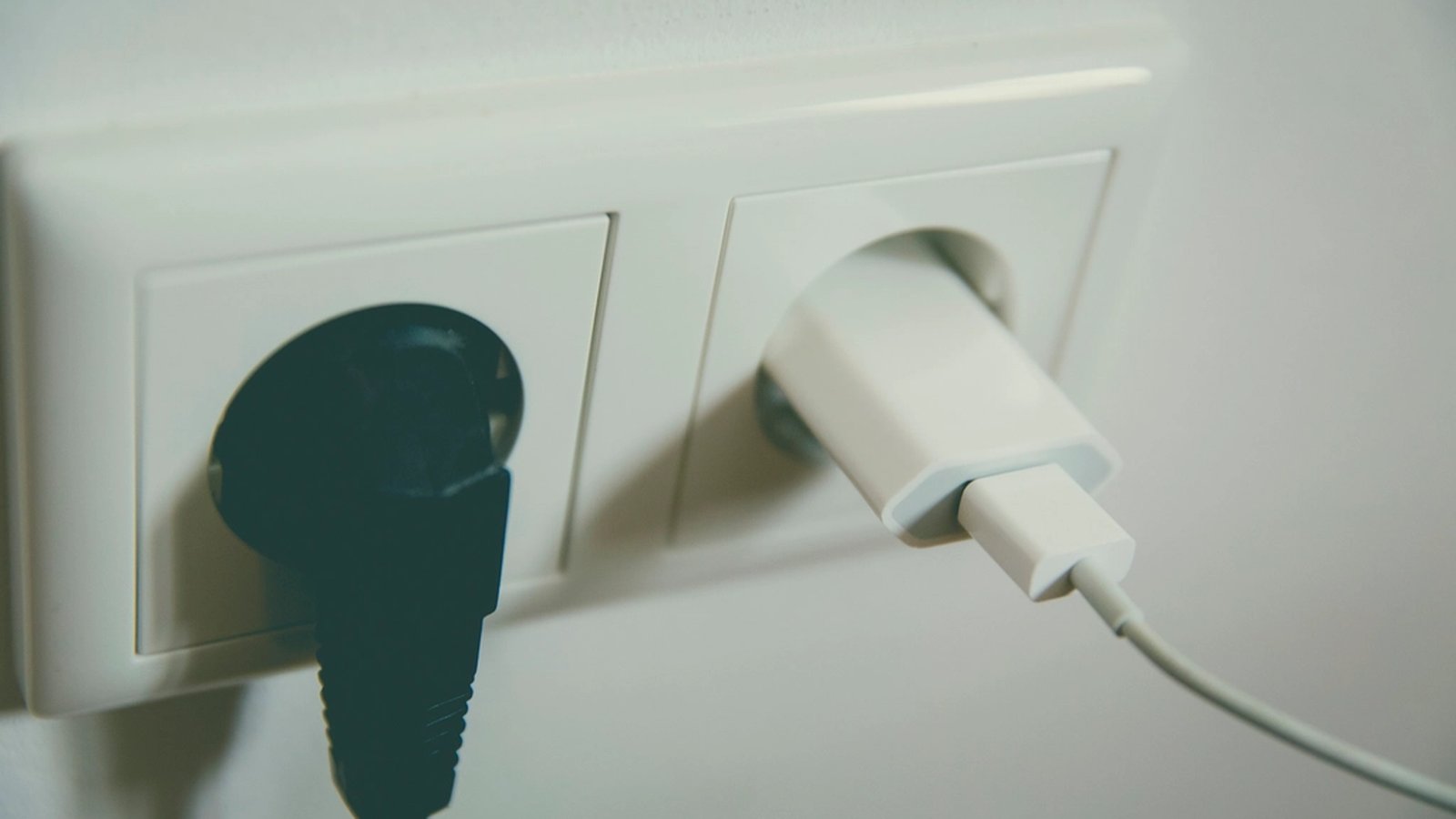
How to Choose a Desk With a Built-In Power Outlet
A desk with a built-in outlet only helps if the strip sits somewhere the cables can actually reach. Here's how outlet placement, USB port type, overload protection and cord length decide whether one earns its keep over a separate power strip.

How to Choose Studio Monitor Stands for a Desk
A desktop studio monitor stand does one job: getting the tweeter level with a seated ear without eating the desk depth a keyboard already needs. Here's how height, tilt, isolation and footprint decide which pair actually fits.
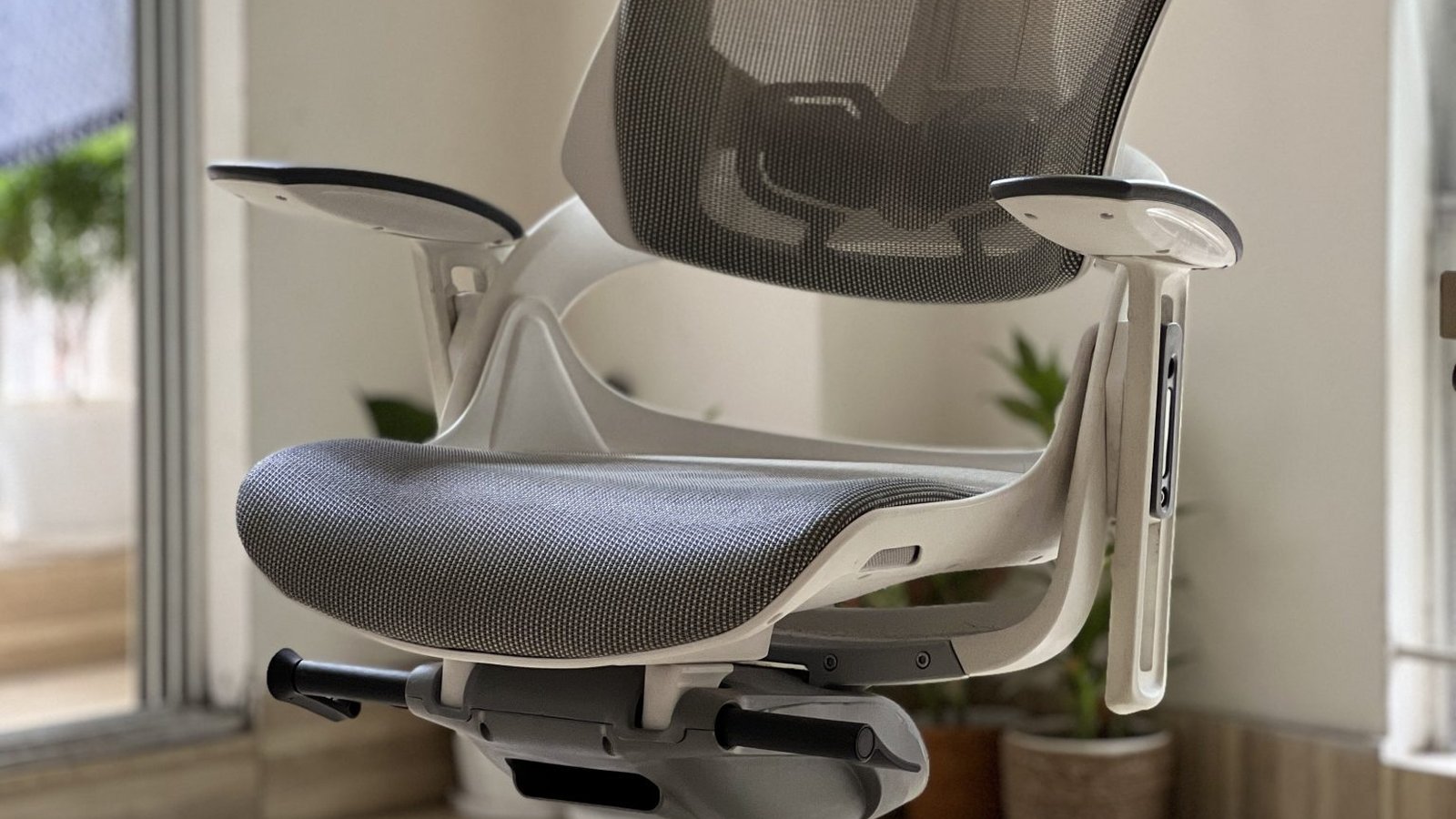
How to Choose Armrest Covers for an Office Chair
Armrest covers only help if they match the armrest's actual width and length, since a pad sized for a wider rest slides around instead of staying put. Here's how to measure, pick a fastening method and pick a foam thickness that won't fight the desk.

How to Choose a Desktop Whiteboard for Your Desk
A desktop whiteboard only earns its spot if it fits the space between the keyboard and monitor without becoming one more thing to work around. Here's how to weigh the monitor-mount style against the desk-pad style before buying either one.
How to Choose a Monitor Privacy Screen
A monitor privacy screen only works if its size and aspect ratio actually match the panel, and the viewing angle it blocks lines up with where people are actually standing. Here's how to check size, angle, brightness loss and mounting before buying one.
How to Choose an Under Desk Elliptical or Pedal Exerciser
A seated elliptical or pedal exerciser only fits under a desk if there's enough knee clearance for the full pedal stroke and the base stays put while a chair rolls near it. Here's how to check clearance, resistance type and footprint before buying one.
How to Choose a Laptop Cooling Pad
A laptop cooling pad only helps if its fans actually line up with the laptop's own vents and the platform doesn't block airflow it's supposed to add. Here's how to check fan placement, size fit and platform material before buying one.
How to Choose an Under Desk Treadmill or Walking Pad
An under desk treadmill only fits the job if its deck height clears a standing desk's lowest setting and its top speed stays in walking range. Here's how to check height, belt size, weight capacity and noise before buying one.
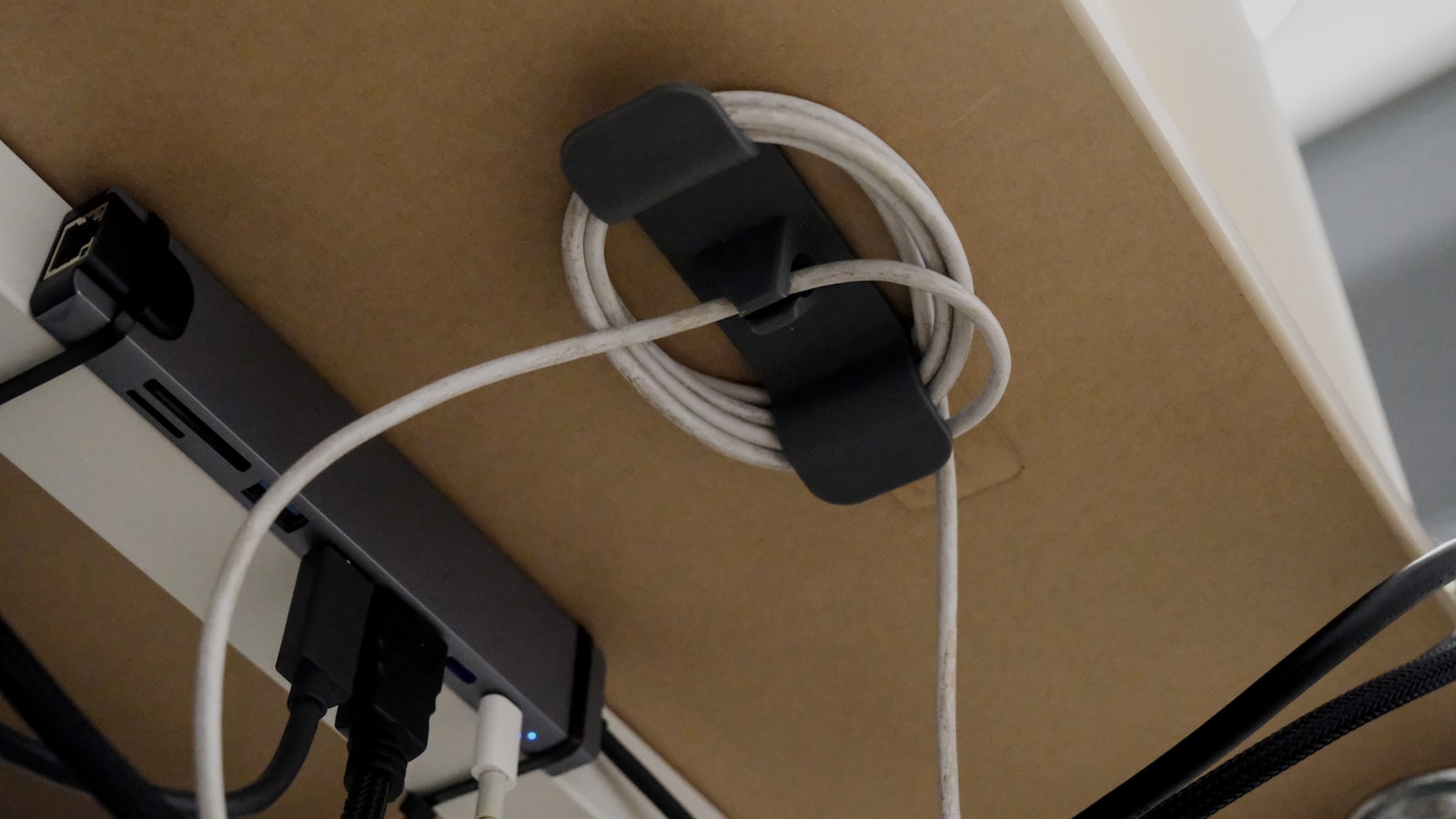
How to Choose a Docking Station for Your Desk
A desk docking station only clears the desktop if it's mounted somewhere out of the way and its ports actually match the laptop plugging into it. Here's how to weigh mount location, port count, power delivery and display support before buying one.

How to Choose Under-Desk Storage Drawers
An under-desk storage drawer adds a drawer where the desk never had one, mounted to the underside instead of sitting in an existing cabinet. Here's how to weigh mount type, knee clearance, load rating and slide mechanism before ordering one.
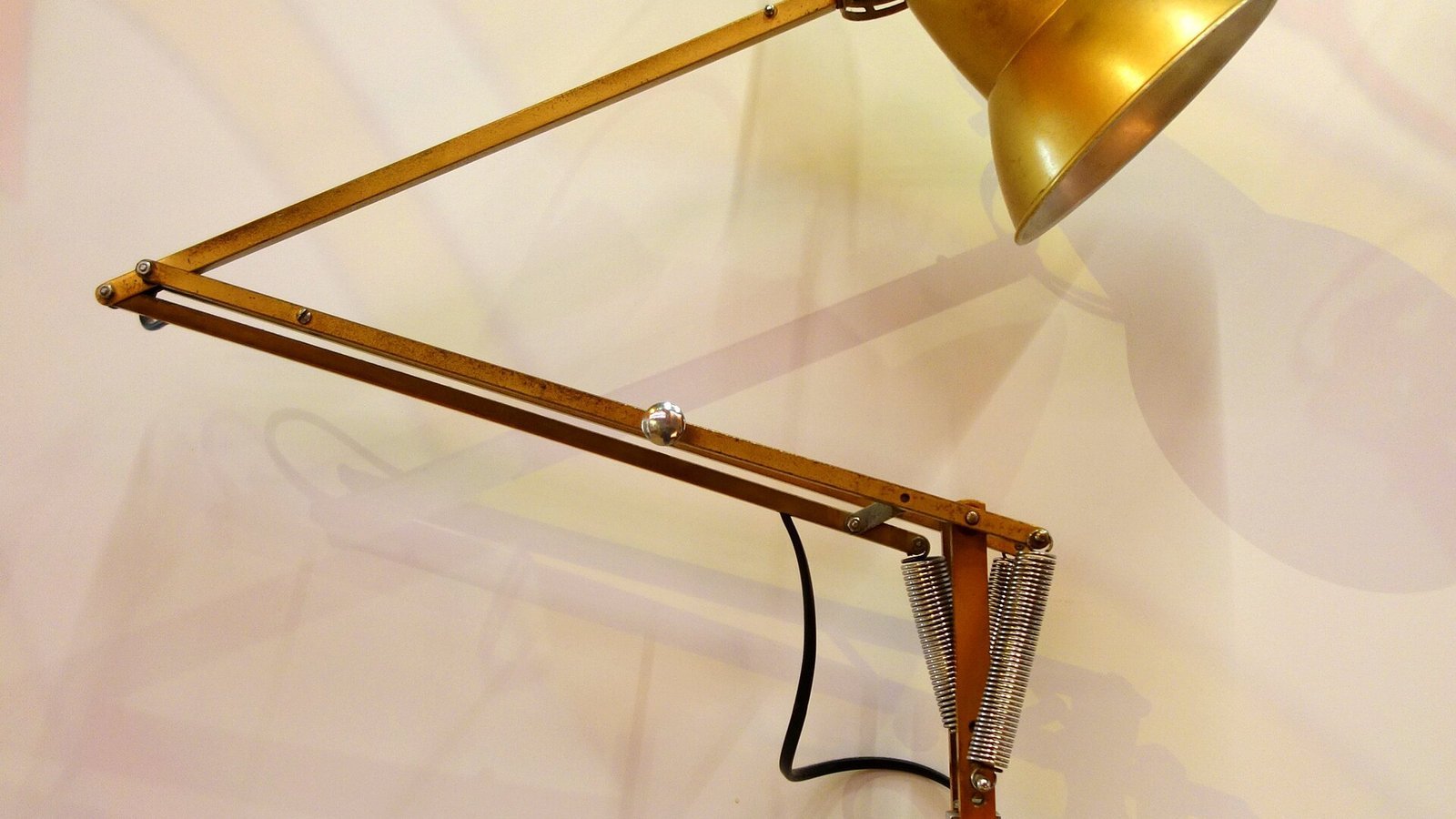
How to Choose a Clamp Lamp for Your Desk
A clamp lamp only works if its jaw actually fits the desk's edge. Here's how to check clamp gap against desktop thickness, judge gooseneck reach, and handle glass desktops before buying one.
How to Choose a Laptop Monitor Mount for Your Desk
A laptop monitor mount has to grip a laptop that was never built for VESA holes, then hold it level with a separate external screen. Here's how the tray attaches, how much weight the arm can actually take, and how to line up two screens at different heights.
How to Choose an Anti Fatigue Mat for a Standing Desk
Standing at a desk on bare floor gets uncomfortable within the hour, and a flat foam pad only fixes part of that. Here's how to weigh thickness against stability, pick a surface texture, and size a mat before you order one.
How to Choose an Under Desk Cable Tray
An under desk cable tray only clears the mess if its mount matches the desk and its capacity matches the power bricks going inside it. Here's how to pick mount type, length, depth and standing-desk slack before you order one.
What Is the Proper Desk Height, and How to Fix a Desk That's Wrong
Almost every desk sold is 29 inches tall, and that number was never about you. Here's how to work out the height you actually need, and what to do when the desk you own is off by two inches.
How to Choose an Office Drawer Organizer That Actually Fits
An office drawer organizer only works if its footprint matches the drawer's real interior, not the drawer's outer frame. Here's how to measure, choose a divider layout, and pick a base that doesn't slide.
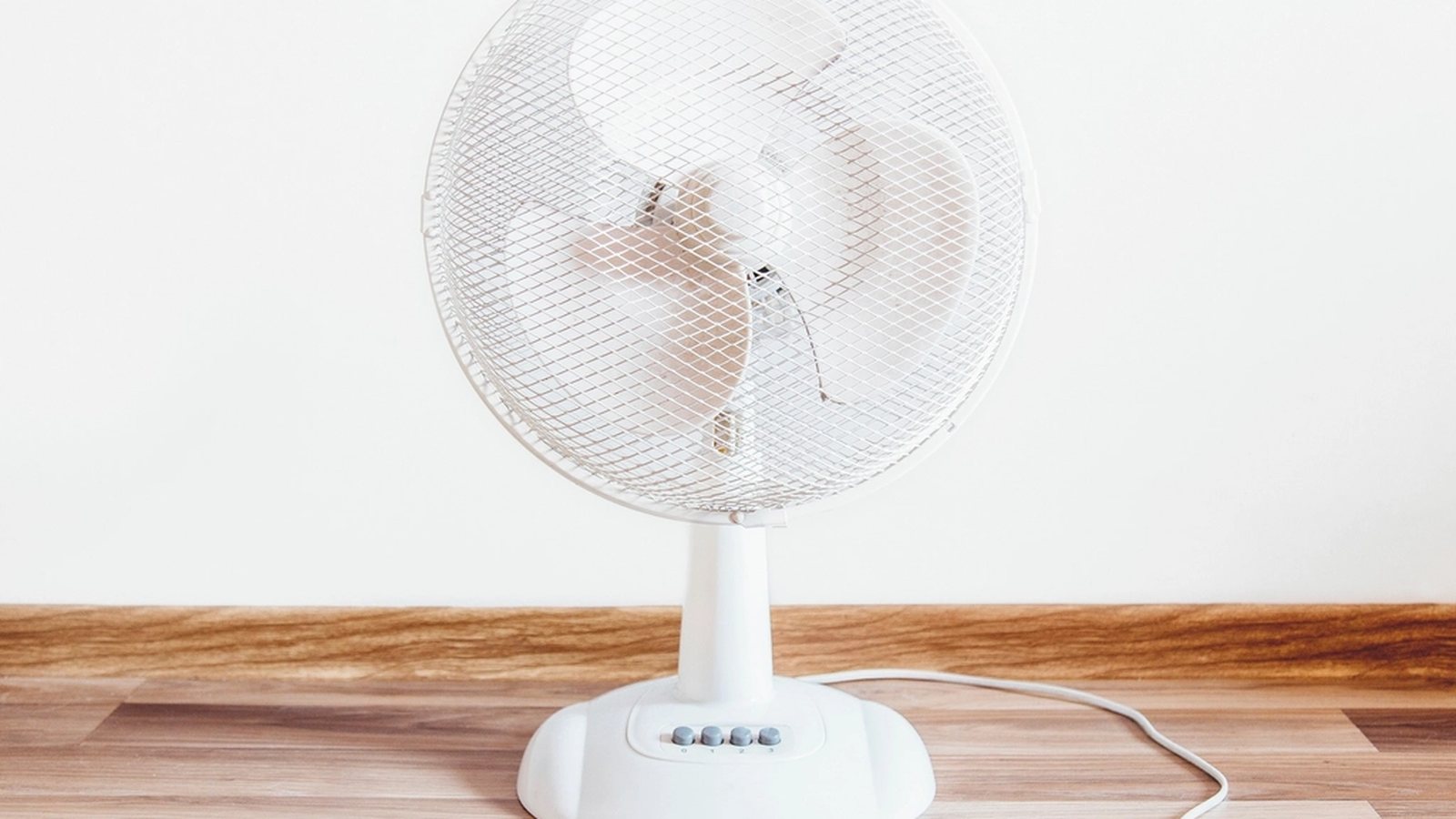
How to Choose a Silent Desk Fan for Your Desk
A silent desk fan is quiet on paper and still audible in a call the moment its actual decibel number gets ignored. Here's how to read the spec, weigh blade count, and pick a size that fits the desk.
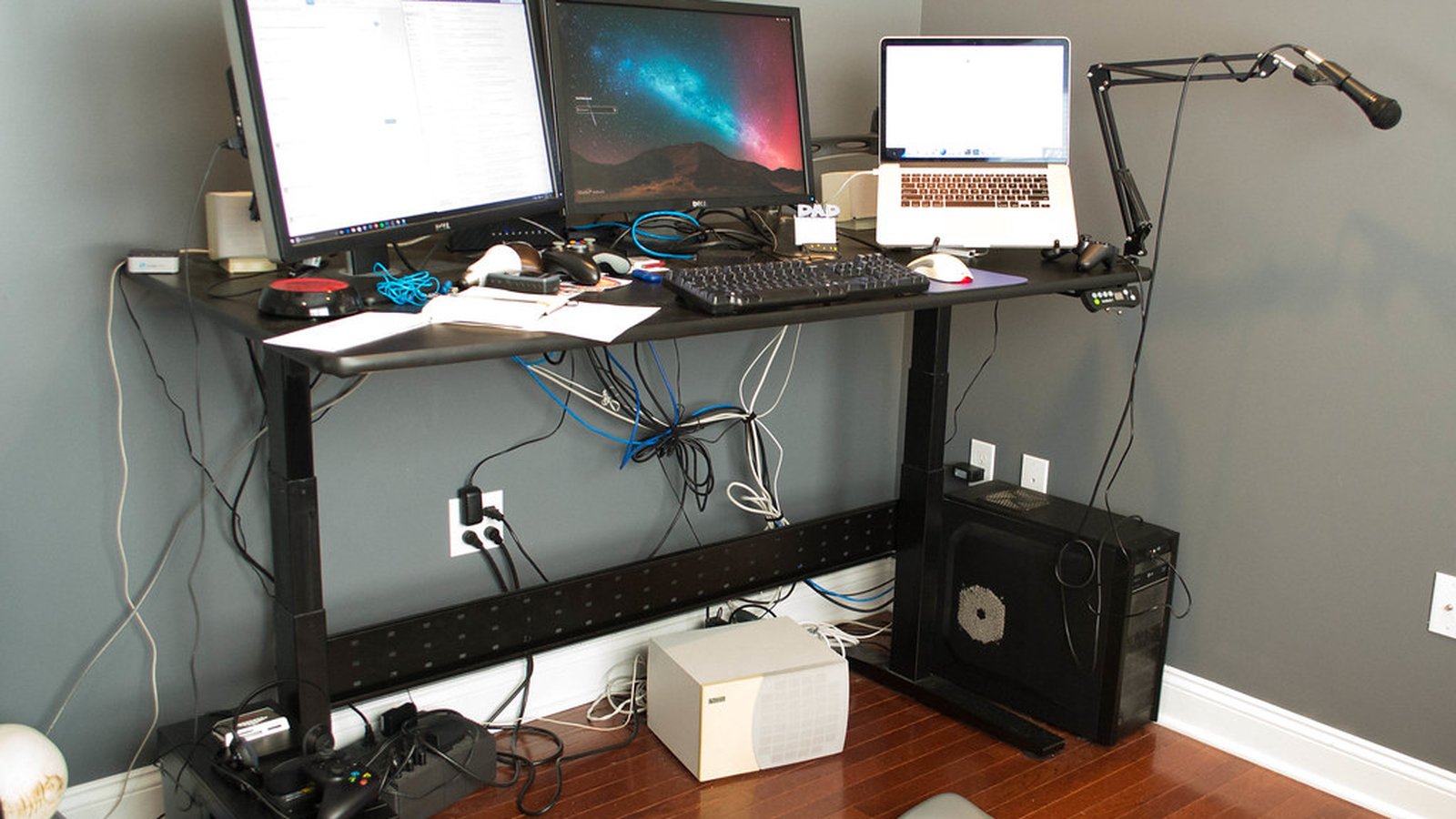
How to Choose a Microphone Boom Arm for Your Desk
A boom arm only clears the desk if its clamp fits the edge and its spring can actually hold the microphone's weight. Here's how to check clamp range, load capacity, cable routing and reach before mounting one.
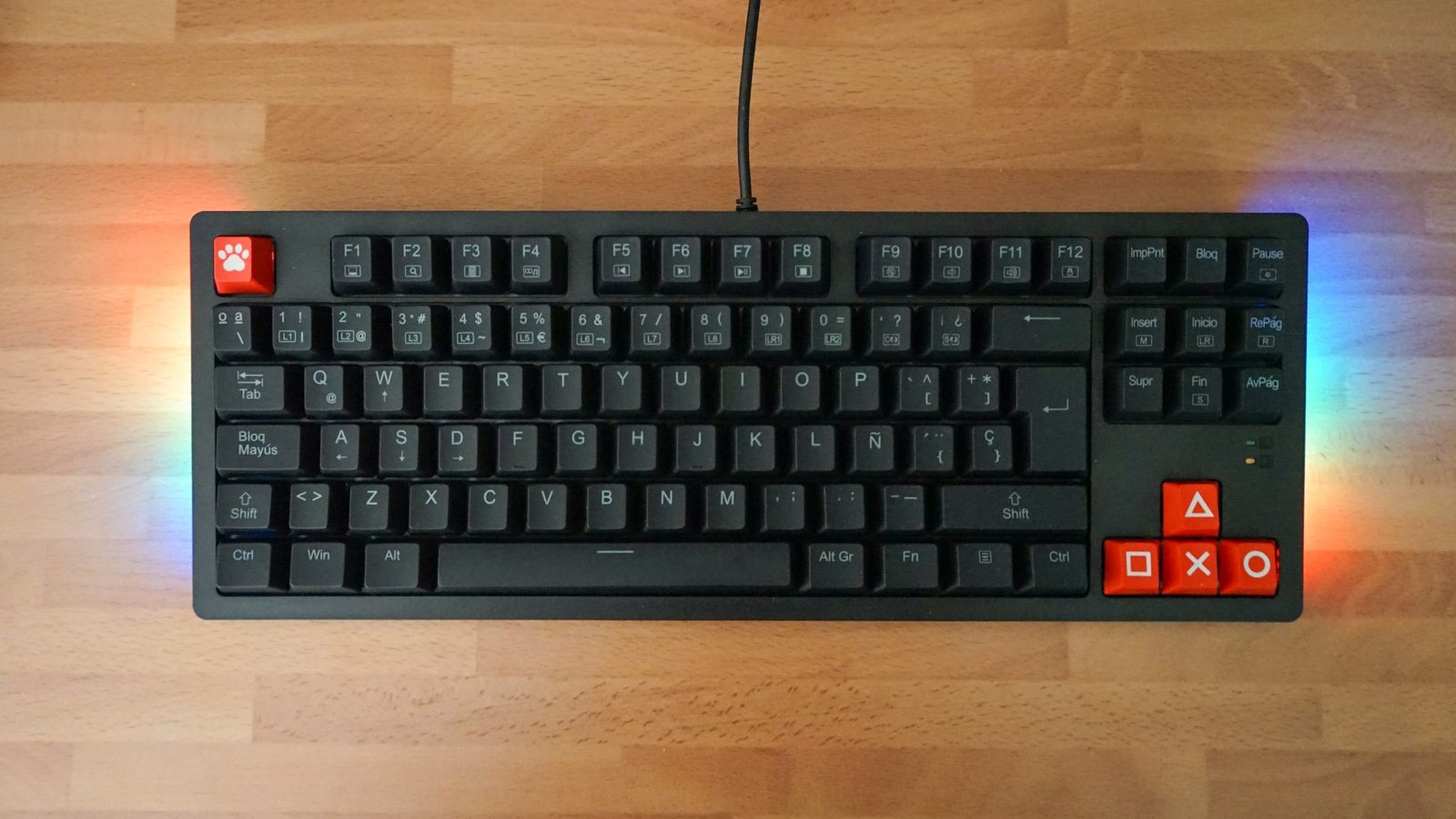
How to Choose a Wrist Rest for Your Keyboard
A wrist rest only helps if its thickness actually matches the keyboard's height and its width matches the keyboard's footprint. Here's how to check thickness, material, width and cleaning before buying one.

How to Choose a Laptop Stand for Your Desk
A laptop stand only helps posture if the height actually clears eye level and the base fits your desk. Here's how to check height range, hinge material, ventilation and footprint before buying one.
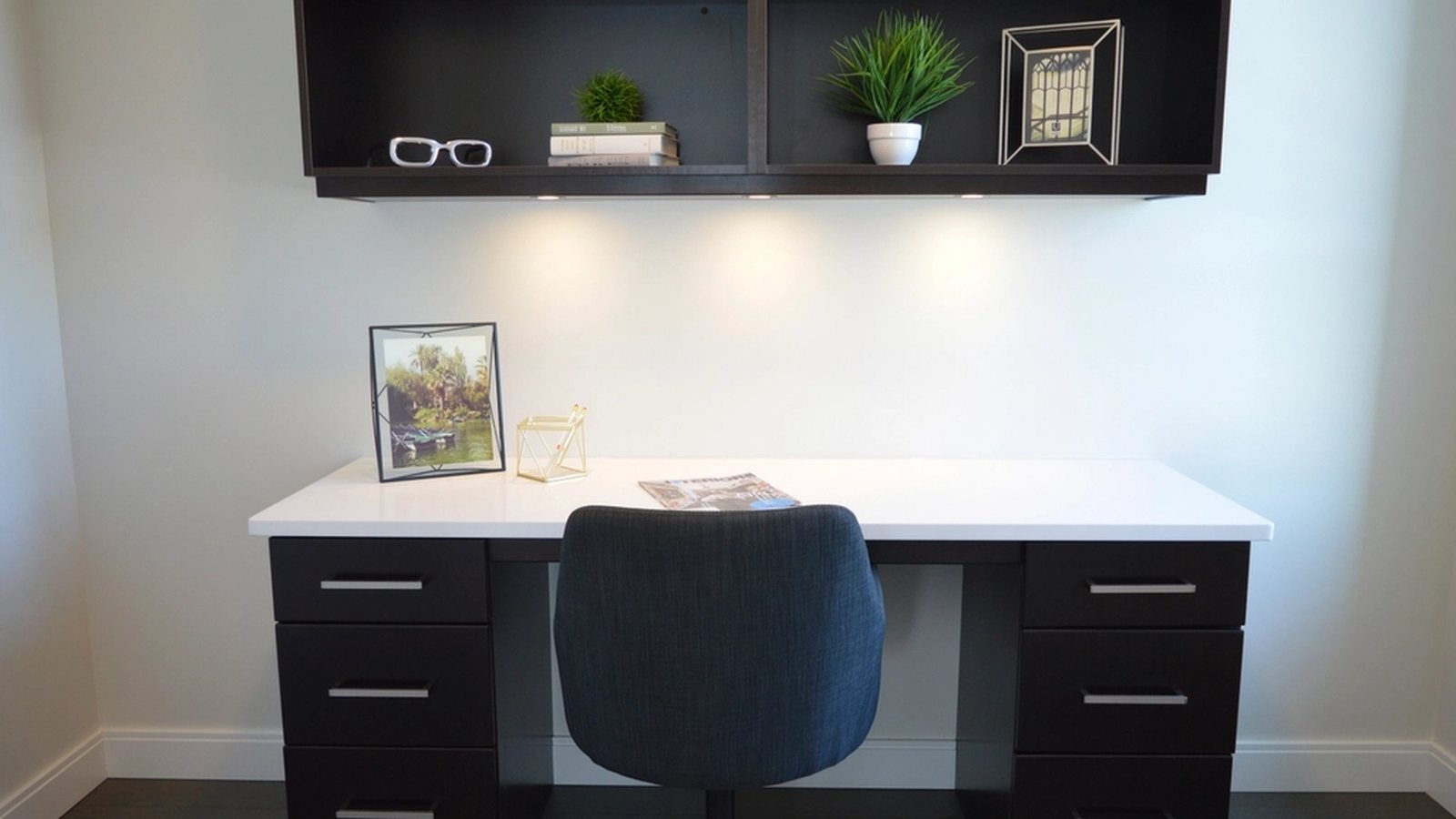
How to Choose a Monitor Light Bar for Your Desk
A monitor light bar only avoids screen glare if the beam actually clears the panel. Here's how to check optical angle, clip fit, color temperature and power draw before mounting one.
How to Choose a Desk Chair for Good Posture
The word ergonomic gets printed on nearly every chair sold, but posture only improves if the lumbar support, seat depth, recline lock and armrests actually adjust. Here's what to check before buying one.
How to Choose an Ergonomic Monitor Stand for Your Desk
A monitor stand's only job is closing the gap between screen height and eye level. Here's how to measure that gap, decide between a riser and an arm, and check storage, footprint and weight capacity before buying one.

How to Choose a Keyboard Tray for Under Your Desk
A keyboard tray only earns its keep if it actually clears the desk's underside and fits the mouse next to it. Here's how to check mount type, platform size, tilt and clearance before installing one.
How to Choose an Under Desk Footrest for Better Posture
A footrest only helps if its height actually matches your chair and desk. Here's how to read height range, tilt, material and floor grip before buying one.
How to Choose a Power Strip for a Desk
Where the strip mounts decides whether its color matters at all. Here's how to pick one on outlet spacing for bulky adapters, built-in USB ports, per-outlet switches, and the joule rating that actually protects the gear.
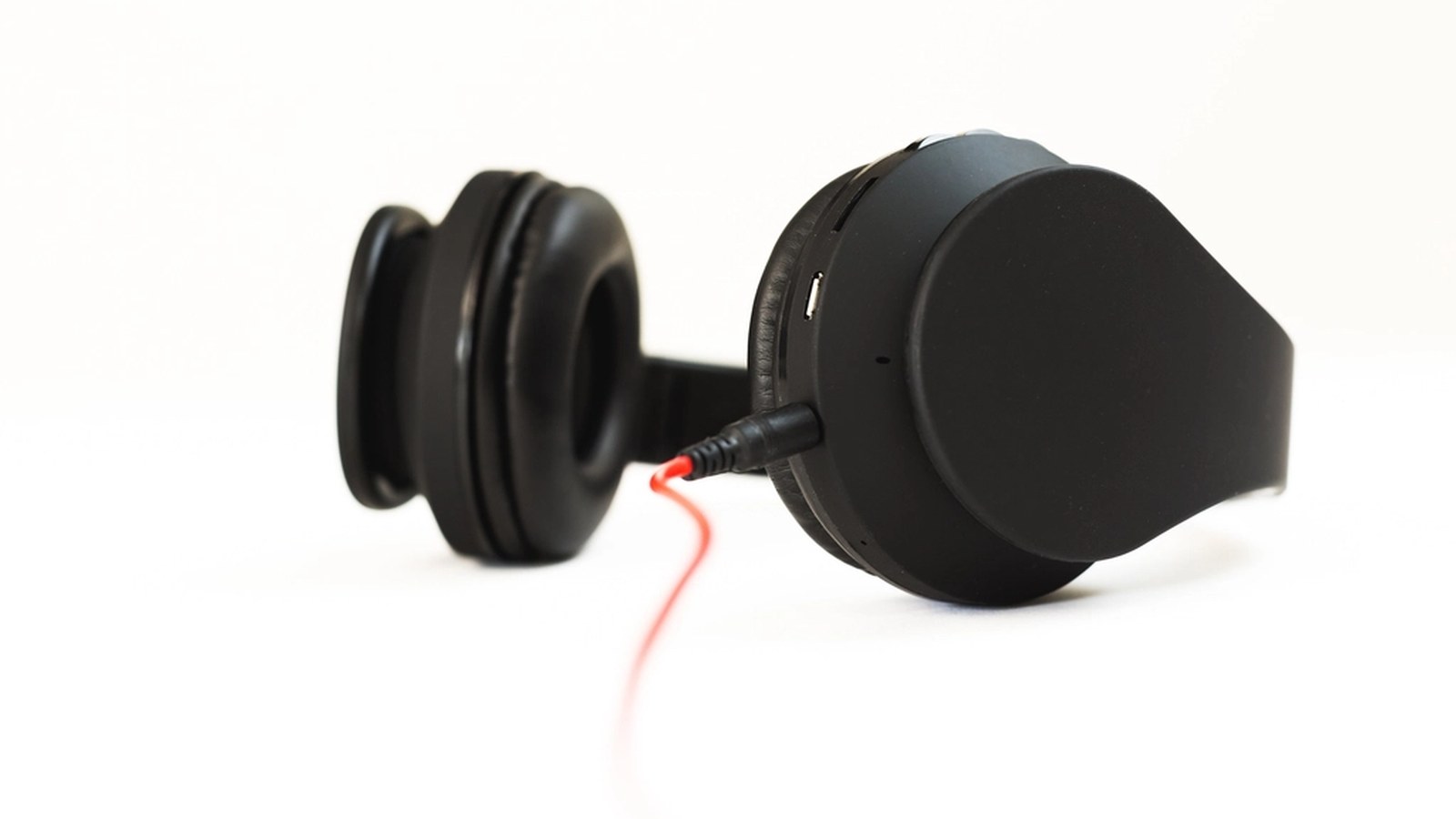
How to Choose a Headset Stand for Your Desk
A headset spends most of the day sitting on the desk rather than on someone's head, so where it lands is a real decision. Here's how to choose between freestanding and desk-clamp, and what the base, the height and the weight rating actually change.

How to Choose a Chair Mat for Carpet or a Hard Floor
A chair mat covers more square footage than the desk itself, and carpet and hard floors need different types entirely. Here's how to pick the right one, size it to the chair's swing radius, and keep it from taking over the room.
How to Choose Desktop Speakers That Actually Fit Your Desk
A pair of desktop speakers has to satisfy a size limit and an acoustic one at the same time. Here's how to pick a pair that fits the desk depth, sits at the right height, and doesn't end up pushed into a corner within a week.
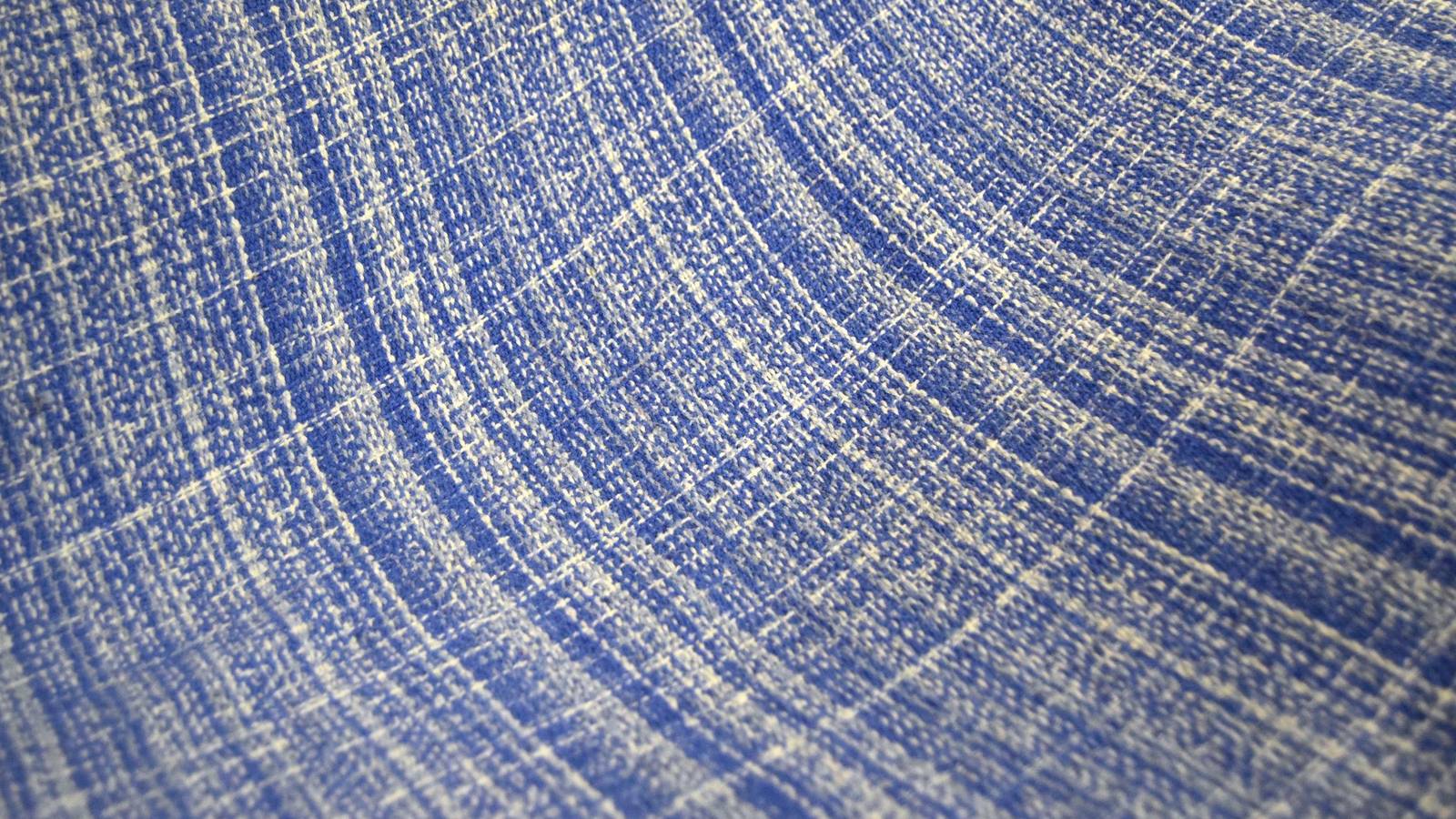
How to Choose a Desk Mat: Size, Material and Edges
Size follows the keyboard and mouse footprint rather than the desk width, depth decides whether a wrist rest fits, and material trades glide against control. Plus why stitched edges outlast raw-cut ones.
Straight, L-Shaped or Corner: How to Choose a Desk Shape
A straight desk is the easiest to keep coherent, an L-shape needs a plan for the inside corner, and depth decides how much of the setup is actually visible. Plus monitor arm clearance and grommet placement.
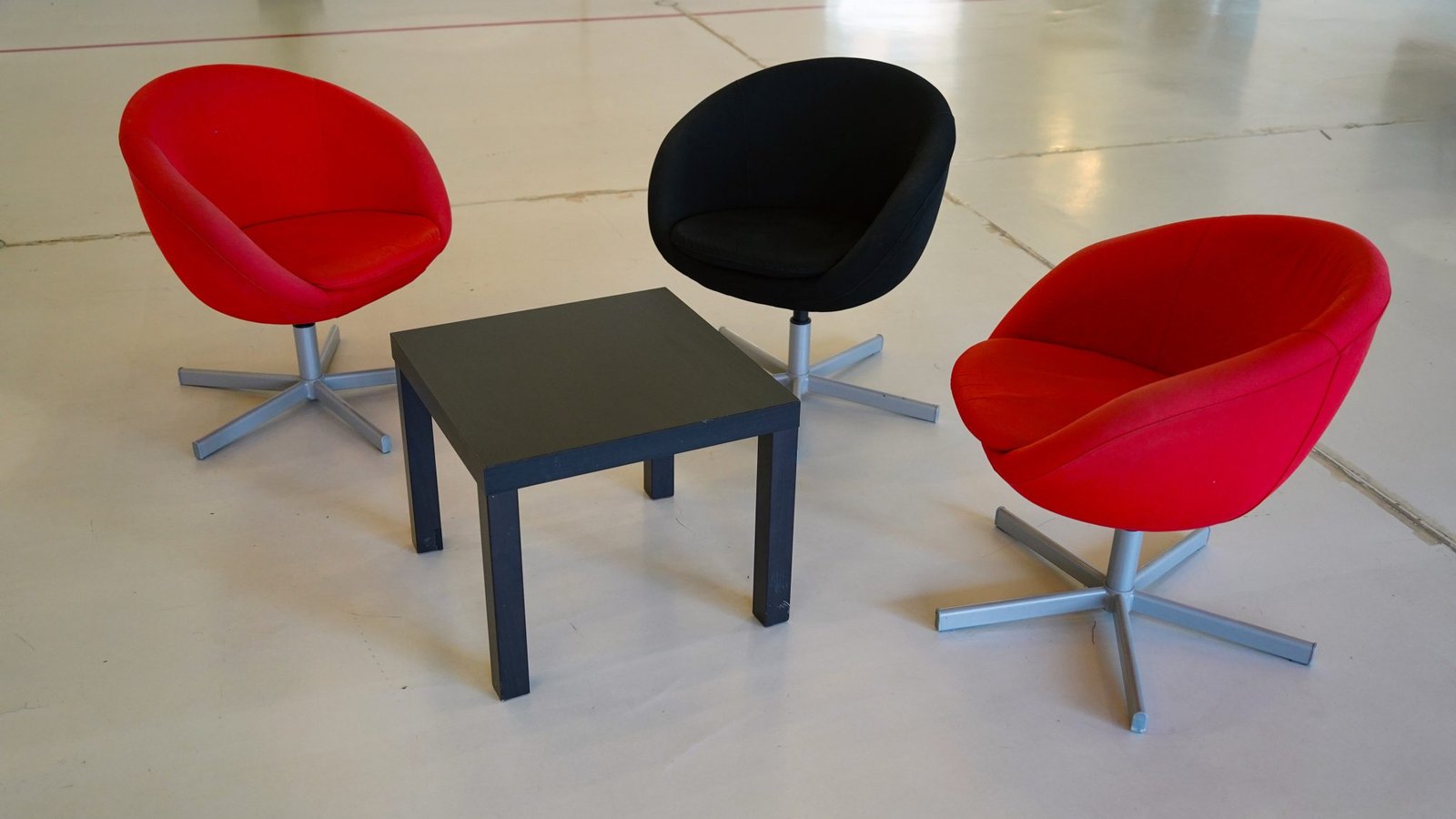
White or Black Gaming Chair? Choosing a Color That Fits Your Desk
Neutral upholstery works with more setups than a colored one does, fabric and mesh photograph differently than pleather, and only the top third of the chair usually shows anyway. When a colorway is worth buying for.

Office Desk Plants That Don't Need Sunlight
A desk is harder on a plant than the windowsill it gets compared to: less light, warm exhaust from a PC case, and watering that has to work around a keyboard. Which plants tolerate it, and the pot that matters more than the plant.

Warm White vs Cool White: Choosing a Desk Lamp Color Temperature
The Kelvin scale runs warm to cool, not dim to bright. Warm light reinforces earth-toned palettes, cool light suits blue and neon-leaning ones, and mixing the two in one room reads as a mistake rather than a choice.

How to Choose a Desk Top Material: Laminate, Wood or Glass
Laminate holds color best but shows damage fastest, veneer brings its own undertone, and glass mirrors whatever light is above it. How the four common surfaces behave once a setup is on them.

How to Choose Desk Accessories That Hold Up in Heat and Humidity
A themed desk mixes more materials than a plain one: real wood, foam, fabric, adhesive-backed lighting. Heat and humidity treat every one of those differently, and most of the damage shows up as warping, peeling or a smell long before anything actually breaks.

How to Cat-Proof a Desk: Chewed Cables, Fur and Knocked-Over Gear
Cables are the part that actually matters, and they are the one thing worth fixing before anything else on the desk. Then the fabric and color choices that hide fur, and which small pieces get swatted off first.
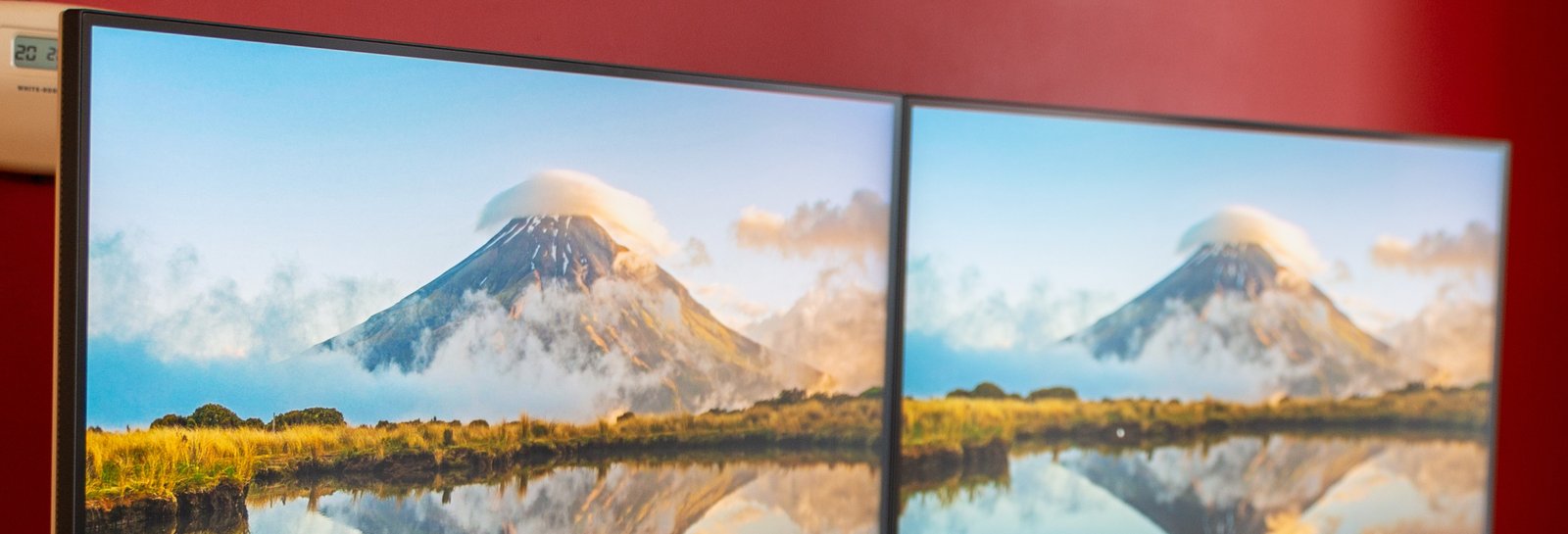
Dual Monitor Desk Setup: How to Make Two Screens Look Like One
A second screen adds desk space and a second place for the setup to look thrown together. Here's what actually breaks it: the bezel gap, mismatched brightness, cable routing, and the desk space you stop having.

Desk Decor Ideas: What to Swap When You Want a Change
A desk doesn't have to stay static for years or get torn down and rebuilt. The mat and the lighting color do the most per dollar, the accent count should stay small on purpose, and the swap should match what's actually changing.

Video Call Lighting for a Desk Setup
A desk that looks great in person can go muddy the moment a webcam turns on. The fix is mostly where the light comes from, not a better camera: get a source in front of you and put the RGB behind you on its own dimmer.

How to Protect a Desk Setup From Sun Fading
Work out how much direct sun the desk actually gets before buying anything. Moving or angling the desk beats every product fix, and window film is the fallback when repositioning is not possible.
How to Keep a Desk Setup Cool Without Adding More Fans
Most of what makes a desk run hot has nothing to do with fan count. Airflow path, clearance, and dust decide more than another fan bolted onto an already-crowded case.
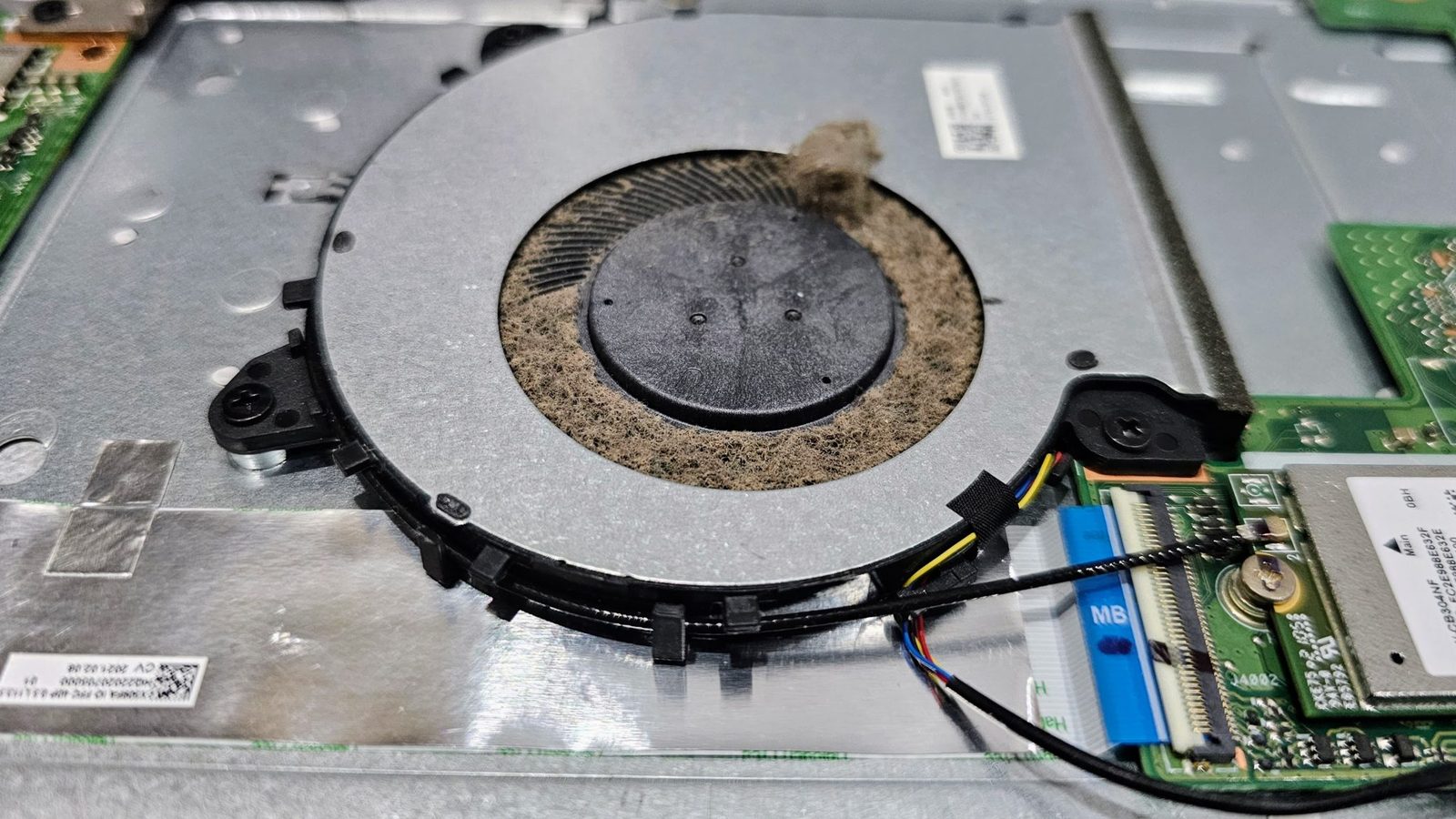
How to Make a Desk Setup Quieter Without Replacing Everything
Most desk noise comes from three or four places, and the fix for the loudest one is usually free. Work out what is actually making the sound before you buy a quieter anything.
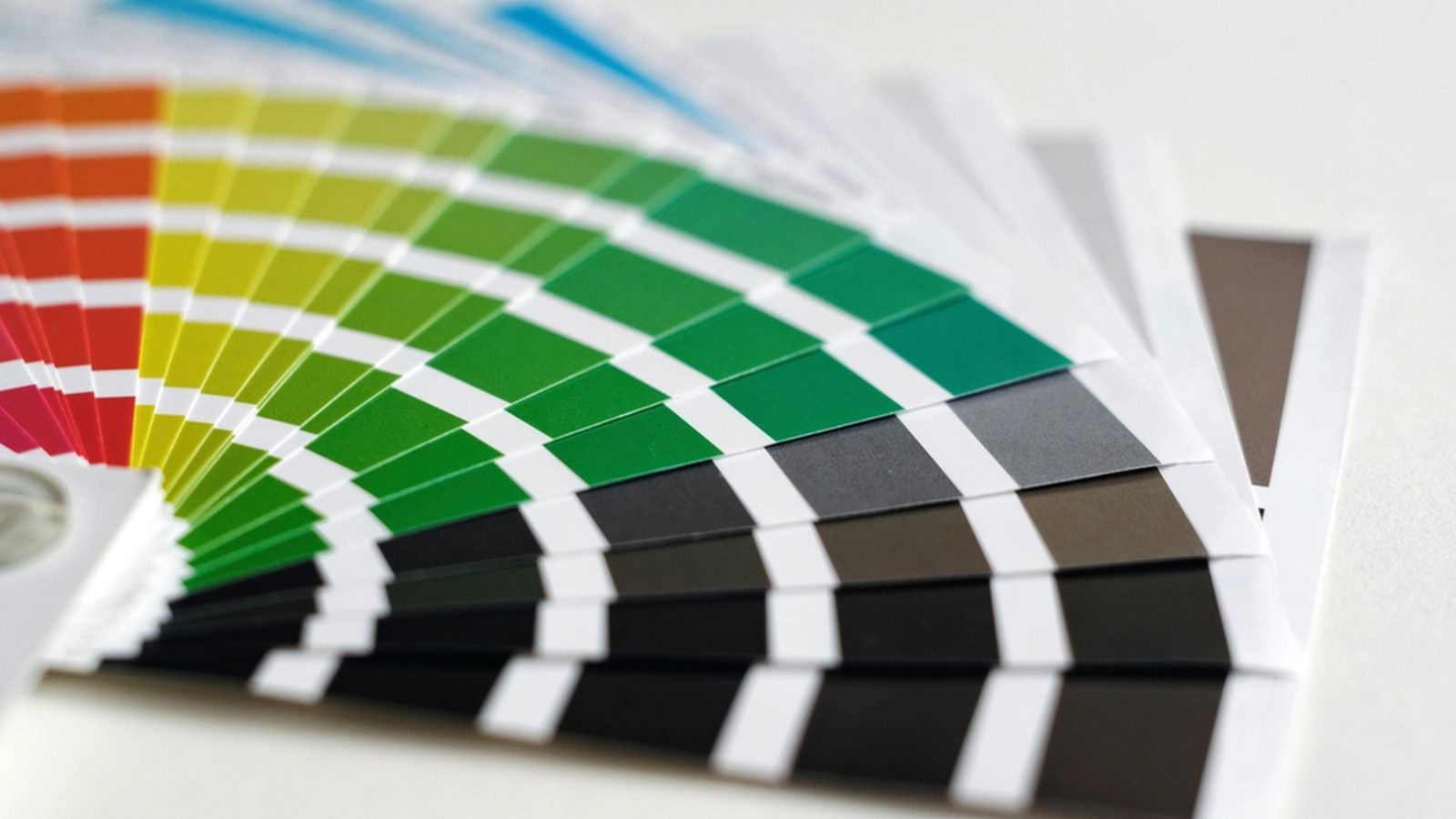
How to Match Colors on a Desk: Undertones, Anchors and Neutrals
Matching every piece to the exact same shade is what makes a desk look like a costume instead of a room. Pick one anchor first, check the undertone rather than the color name, and let near matches do the work.

How to Pack a PC and Desk Setup for Moving
A desk setup is a collection of fragile, mismatched parts, not one object. Pull hot-swap switches, roll the mat instead of folding it, never move a full tower assembled, and label boxes by desk zone.
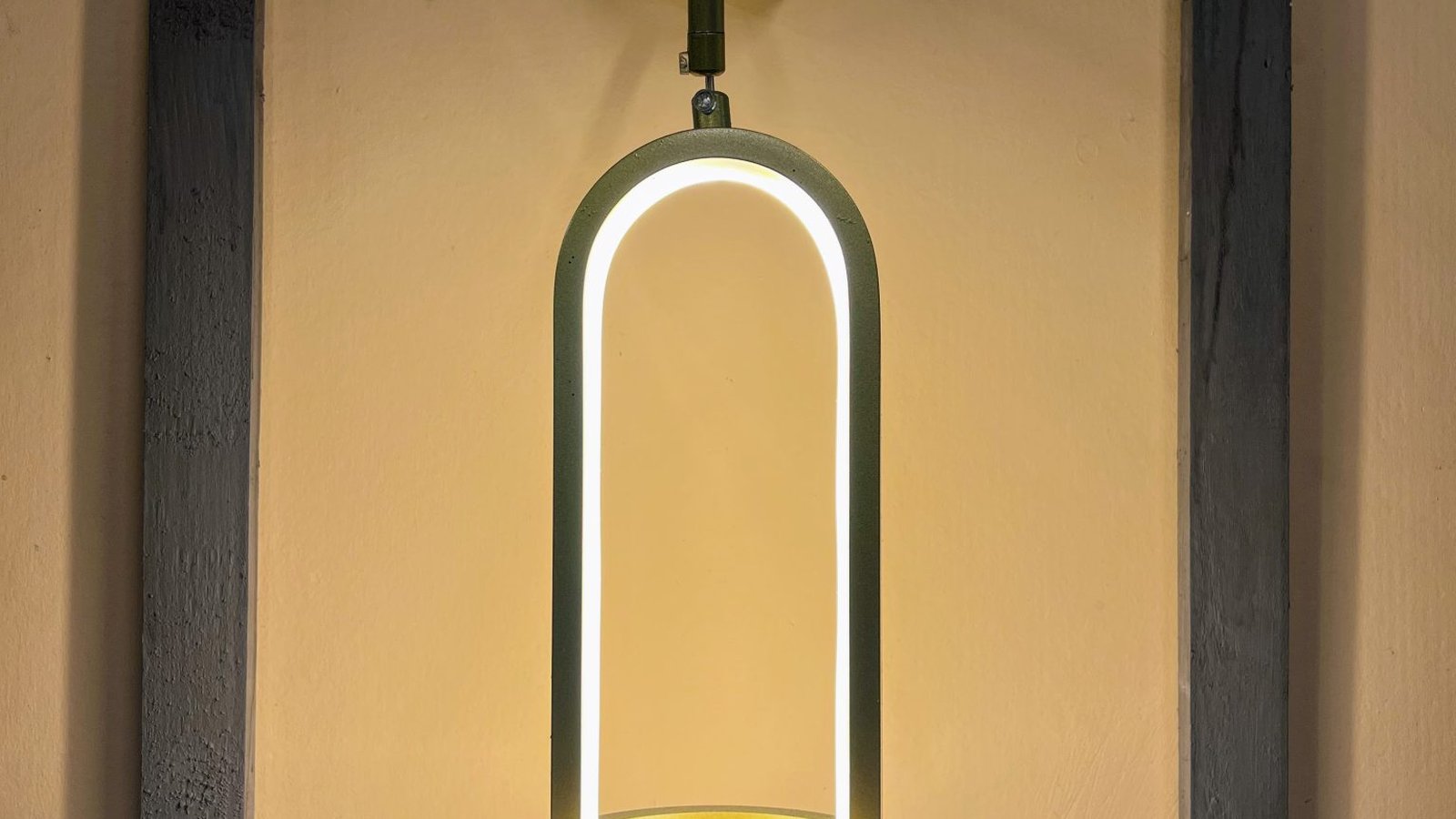
How to Photograph a Themed Desk Setup So the Colors Actually Read
A themed desk can look completely different in a photo than it does in person. Here's why, and what to change about the shot instead of the setup.
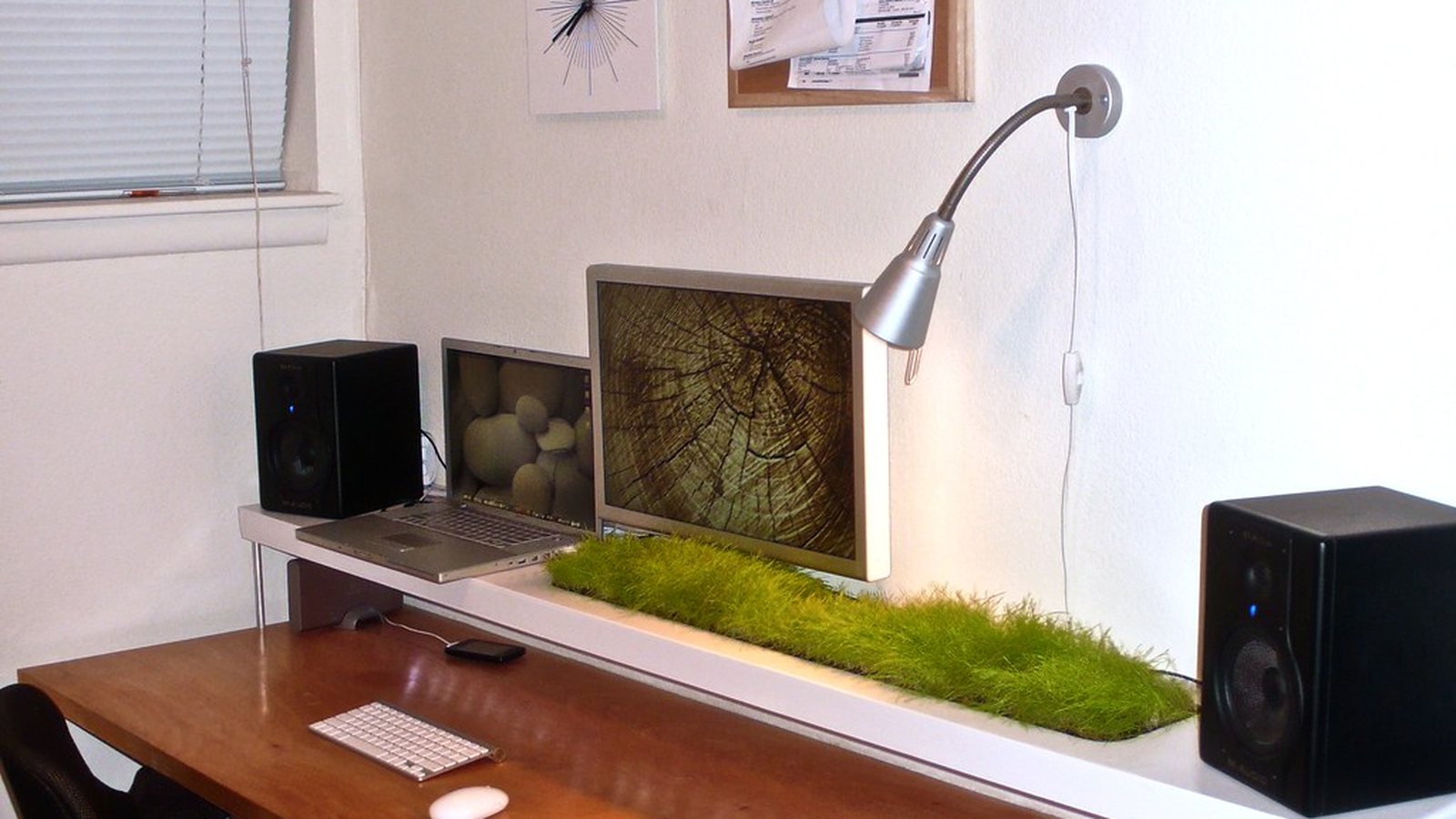
Dorm Room Desk Ideas on a Tight Budget
Dorm rooms come with rules a regular bedroom doesn't: no drilling, one shared circuit, and a roommate who didn't sign up for your color scheme. What to buy, in what order, and what survives move-out day.
Desk Ergonomics for Long Gaming Sessions
Monitor height, chair height, elbow angle and posture: the handful of desk adjustments that actually matter for a multi-hour session, in the order they're worth fixing first.
How Often You Should Actually Clean Your Gaming Setup
A realistic cleaning cadence for the parts of a setup that actually collect dust and grime, instead of one vague rule that doesn't fit any of them.

Wired vs Wireless Gaming Peripherals: Which Should You Buy
The tradeoffs that actually matter when choosing between wired and wireless, and why the right answer usually depends on which peripheral you're buying, not a single blanket rule.
Small Desk Setup Ideas for Tiny Rooms
Fitting a themed gaming desk into a small room without it feeling cramped, from vertical space to what to skip entirely.
RGB Lighting 101: How to Sync Your Setup
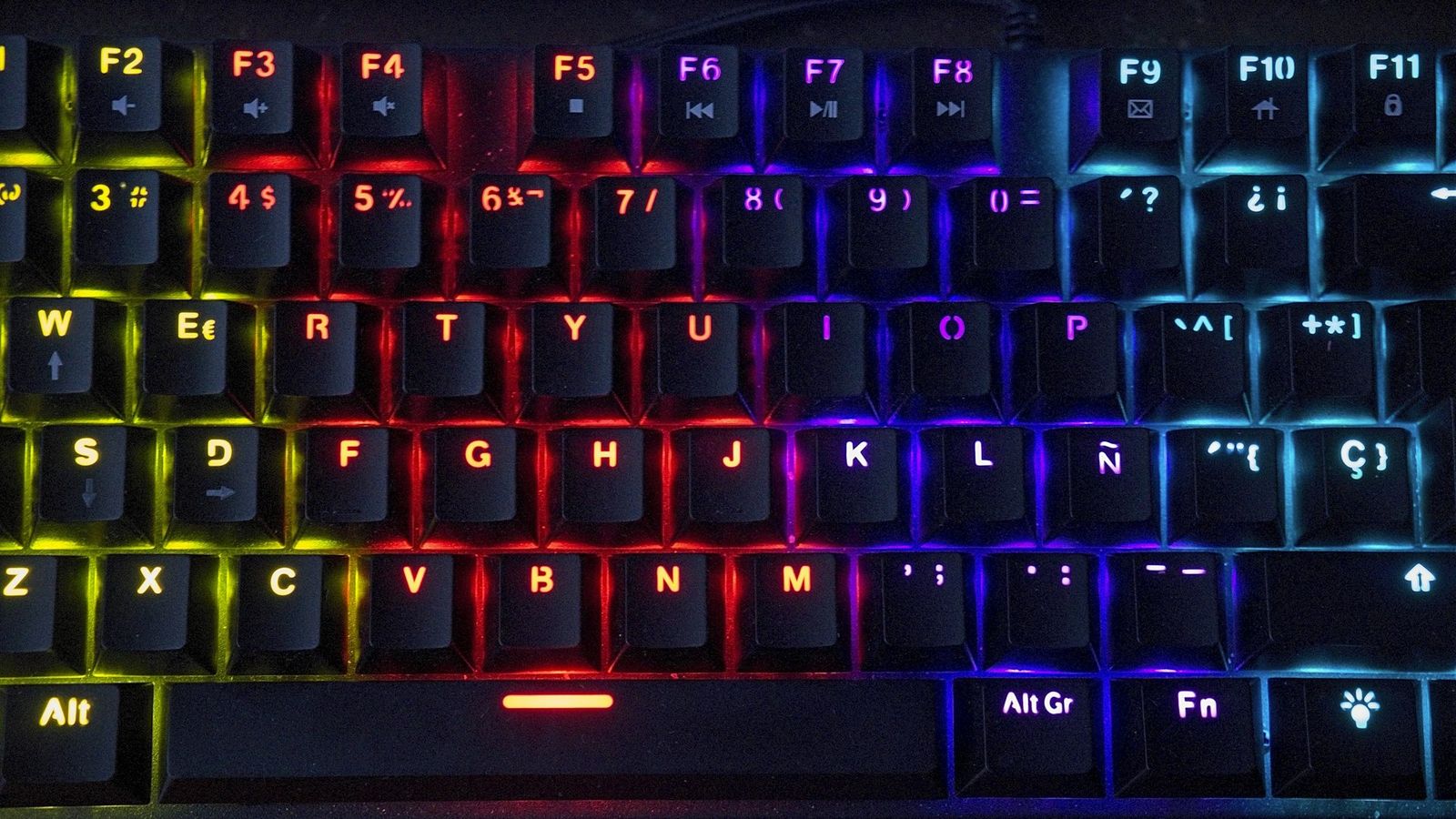
Getting RGB gear from different brands to read as one coordinated palette instead of a rainbow rave, without buying an entire ecosystem from a single company.
Desk Cable Management: Trays, Sleeves and Routing That Holds Up
Plan the routing before mounting anything, put the mess in an under-desk tray rather than strapping it to a leg, and finish with velcro instead of zip ties. The order that makes it manageable.

Aesthetic Desk Setup Ideas: Which Theme Fits Yours?
Seven aesthetic desk setups side by side, ocean through sunset, with what each one costs in practice and how to tell which matches your room before you buy anything.

How to Clean a Mechanical Keyboard and Its Keycaps
How to dust a mechanical keyboard weekly, pull and wash the keycaps every few months, and get everything dry before it goes back together.
How to Build a Gaming Setup on a Budget
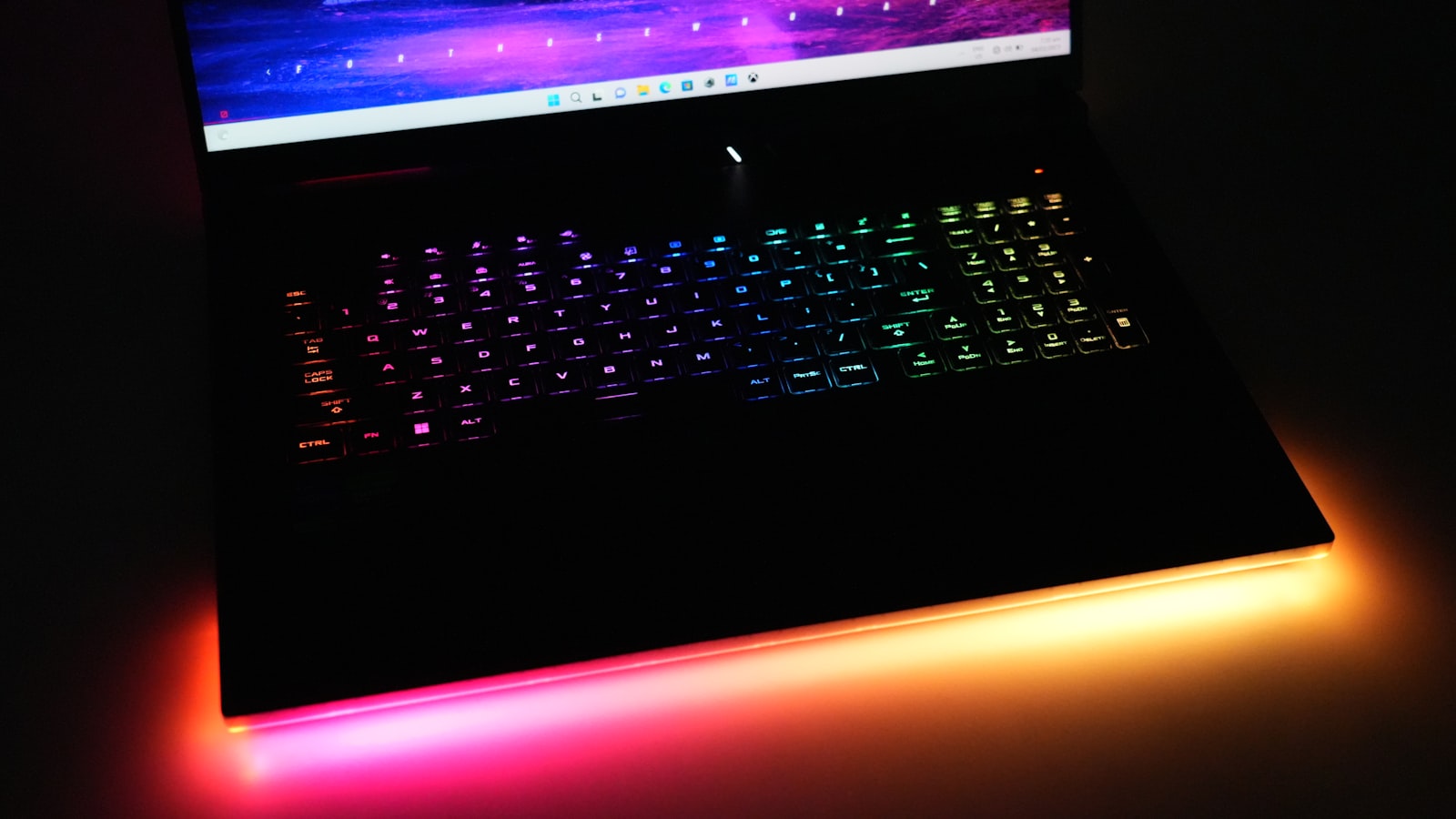
You don't need to replace everything at once to end up with a desk that looks deliberate. Here's the order to buy in, which piece carries the most visual weight, and where cheap parts stop being a false economy.