Guide
Warm White vs Cool White: Choosing a Desk Lamp Color Temperature
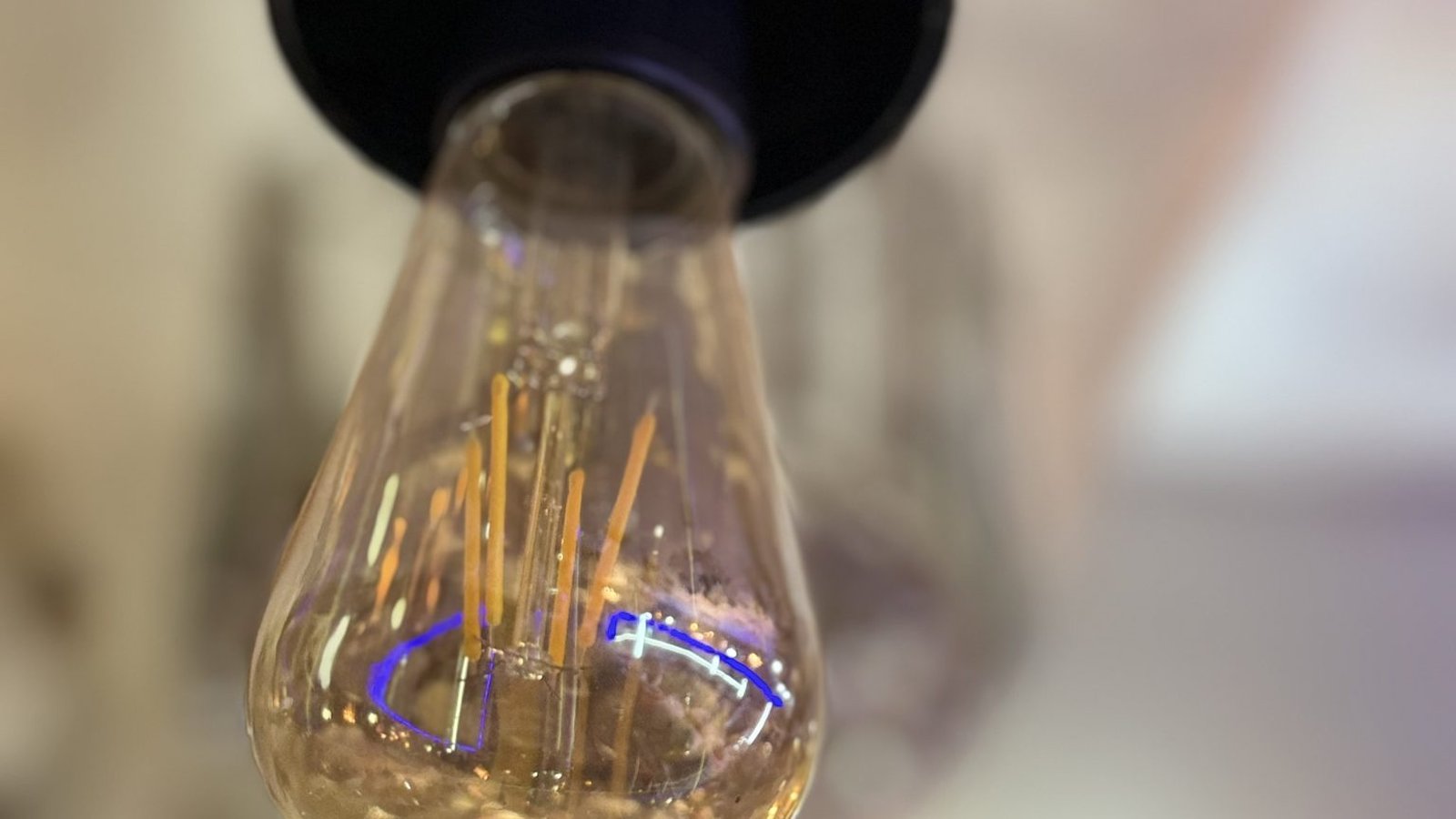
Desk lighting advice reaches for RGB almost immediately: strips, bias lights, keyboard backlighting. What gets skipped is the plainer light doing most of the actual illuminating, a desk lamp or overhead fixture, and that light has a color too. It’s measured in Kelvin rather than a hex code, and it shifts every other color on the desk exactly the way a strong RGB source does.
The Kelvin scale runs warm to cool, not dim to bright
Color temperature has nothing to do with brightness. A 2700K bulb and a 6500K bulb can put out identical lumens and still look completely different. 2700K to 3000K reads as warm, amber-tinted light, close to an old incandescent bulb. 5000K to 6500K reads as cool and blue-tinted, closer to overcast daylight. The number is usually printed on the bulb’s packaging or base, and it’s worth checking before assuming any “white” bulb is neutral.
Warm light reinforces earth-toned and warm-palette themes
A 2700K to 3000K bulb pulls amber and red out of everything nearby. That is exactly what a forest or sunset desk wants: richer wood grain, more saturated terracotta and rust, and warm neutrals that stay warm. The tradeoff shows up on cool-toned accents in the same room. A teal or icy blue keyboard under warm light drifts toward gray, losing the exact color that made it fit the theme in the first place.
Cool light suits blue, purple and neon-leaning themes
A 5000K to 6500K bulb does the opposite: it keeps blues, cyans and true whites looking crisp and slightly enhances them, which flatters an ocean, space, cyberpunk or minimal white desk. The cost lands on warm materials. A wood monitor riser or a rattan basket under 6500K light can look slightly gray and lifeless compared to the same object under warmer light, since the light itself is pulling blue into surfaces that don’t have any.
Mixing temperatures in the same room reads as a mistake, not a choice
A warm desk lamp next to a cool overhead fixture, or a cool bias light behind a warm desk lamp, is one of the more common lighting errors on a themed desk, and it’s rarely intentional. The two light sources compete instead of blending, and surfaces lit by both at once can take on a slightly greenish or muddy cast where the color temperatures overlap. Matching every fixture in the immediate desk area to the same Kelvin value, or close to it, avoids the problem entirely.
Adjustable bulbs solve the problem instead of forcing a single choice
A tunable white bulb or lamp, one that lets the Kelvin value shift rather than locking in a single temperature, sidesteps having to pick warm or cool once and live with it. Many themes actually benefit from both at different times: a cooler setting for a cyberpunk desk during an evening session, a warmer one for the same desk used for daytime work, without buying two separate bulbs. It’s a small added cost over a fixed-temperature bulb that removes a decision that otherwise has to be gotten right on the first try.
Judge the color under the bulb that will actually stay installed
A bulb’s packaging photo is shot under ideal, controlled conditions that rarely match a real room, so the only reliable test is installing it and looking at the actual desk under it after dark, with other room lights off. A keyboard or mat that looked right in a product photo can shift noticeably once it’s sitting under a real 3000K or 6500K source, the same effect that makes a desk surface’s undertone change under different light. Confirm the color reads the way it’s supposed to before treating the setup as finished.