Guide
How to Protect a Desk Setup From Sun Fading
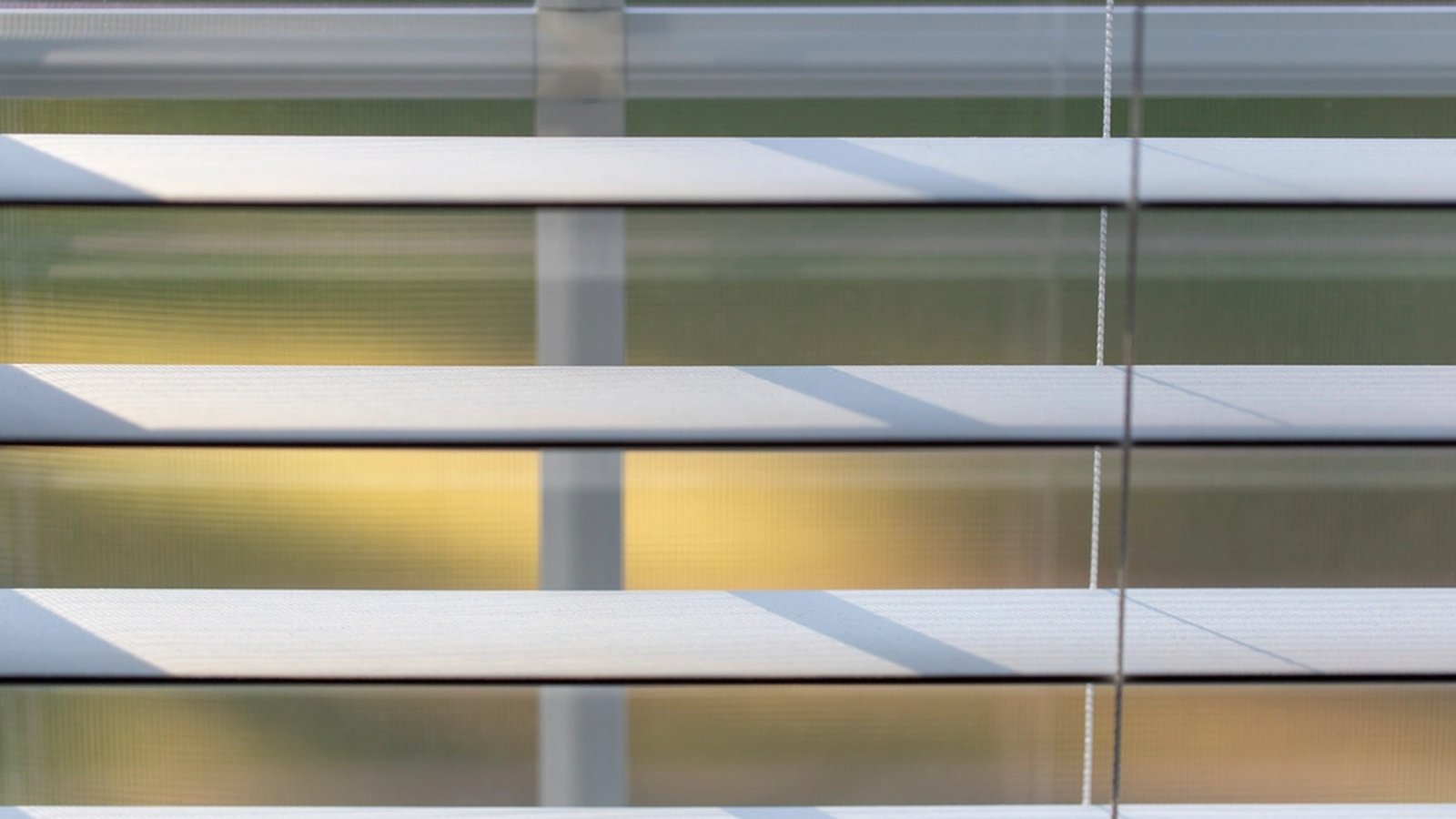
Most desk maintenance advice is about dust and cables, because those problems show up fast and are easy to point to. Sun fading is different. It moves slowly enough that nobody notices day to day, and by the time a keycap or a desk mat looks visibly off, it has usually been fading for months. For a themed setup specifically, that is a bigger problem than it would be for a plain black desk, because the whole point of the theme is that the colors are supposed to match each other.
Why themed setups are more exposed to this than a normal desk
A black or white setup can fade a little and nobody notices, because the color was never doing precision work in the first place. A themed setup is different: a pastel keyboard is chosen specifically to sit next to a specific shade of pink mouse, and a forest-green desk mat is chosen to read as the same green as the keycaps. Fading doesn’t have to be dramatic to break that. A few months of afternoon sun can shift one piece a shade lighter or warmer than the piece next to it, and the mismatch is exactly the kind of thing a themed setup is built to avoid.
Plastic parts fade fastest and most visibly, especially bright or saturated ones. Oranges, pinks and reds shift before blues and greens. Their dye pigments break down faster under UV than the pigments used for cooler colors. Fabric desk mats fade next, usually unevenly, since only the exposed portion changes while the part covered by a keyboard or monitor stand stays close to its original color. This is often the first way people notice fading at all: a mat that looks fine until something on it is moved and leaves a visibly different patch underneath.
Work out how much direct sun the desk is actually getting
Before doing anything else, spend a day or two just watching the desk at different times. A lot of desks get direct sun for one or two hours and sit shaded the rest of the day. That is a very different problem from a desk in full sun all afternoon. If the sun only hits one side or one item, that explains uneven fading better than assuming the whole setup is at equal risk.
It’s worth checking this across seasons if the setup has been in the same spot a while, since the sun’s angle changes enough between summer and winter to expose or shade a desk that wasn’t getting direct light before. A desk that seems safe in one season isn’t necessarily safe year-round.
Moving or angling the desk beats any product fix
The single most effective fix for sun fading is also the one nobody wants to hear: move the desk, or turn it so the exposed side isn’t the side facing the window. Even a foot or two of repositioning, or angling a desk 30 or 40 degrees away from a window, can take a setup from direct sun to indirect light, which slows fading by a large margin. This is worth ruling out before spending money on film or blinds, since it costs nothing and it’s the only fix that addresses the actual light hitting the desk rather than filtering it after the fact.
If the desk genuinely can’t move, the same logic applies to individual pieces. A desk mat can be turned so the exposed portion is the least visually important part. Accessories that aren’t fixed in place, like a keyboard or an organizer, can swap positions with something set further back. The fading then spreads out instead of concentrating on one item.
Window film and blinds, if repositioning isn’t possible
UV-blocking window film is the more permanent option and typically blocks the large majority of UV light without noticeably darkening the room, which matters if the desk is also where video calls or streaming happens. It’s a one-time install rather than something to remember to use, which is its main advantage over blinds.
Blinds or curtains cost less up front and don’t require altering the window itself, but they only work if they’re actually closed during the hours the desk is exposed, which in practice means building a habit around it. For a desk that only gets sun for a short window each day, a cheap timer-based reminder to close blinds during that window is often enough, and costs nothing beyond the blinds themselves.
Sheer or light-filtering fabric is a middle option. It cuts direct, concentrated sun without blocking the room’s daylight entirely, which suits a desk that gets used during the day and shouldn’t feel like a cave.
Not every material on the desk fades the same way
PBT keycaps resist fading and UV yellowing significantly better than ABS keycaps, because PBT is a denser, more UV-stable plastic to begin with. This is one of the reasons enthusiast keyboard builds lean toward PBT keysets even outside of sound or feel considerations. If a themed setup’s keyboard is a known ABS board sitting in direct sun, that’s the single highest-risk item on the desk for a visible color shift.
Dye-sublimated prints, common on desk mats, fade more evenly across the pattern than keycap legends do. The base fabric color underneath can still shift on its own. That is why a wave-print mat can look faded around the edges of the pattern while the print itself still reads clearly.
Powder-coated metal, used on some cases and stands, holds color considerably better than painted plastic and is a reasonable material to prioritize for pieces that will unavoidably sit in a sunny spot.
Rotating pieces evens out fading instead of preventing it
For anything that can’t be moved out of the sun and isn’t worth replacing, rotating or flipping it periodically spreads the fading across the whole surface instead of concentrating it on one side. A desk mat can be flipped end to end every few months if the design is close to symmetrical, and a keyboard can occasionally be angled differently on the desk. This doesn’t stop fading, but it keeps the piece looking uniform instead of visibly two-toned, which is usually the more noticeable problem.
What isn’t worth worrying about
Metal, glass, and most matte black plastic hold color well enough under normal desk lighting conditions that fading isn’t a realistic concern for them, even with regular sun exposure. The same goes for RGB lighting components themselves: the light-emitting parts don’t fade the way pigmented plastic does. The pieces worth watching are the saturated colored plastics and fabrics a themed setup depends on for its palette. Written out, that is a much shorter list than everything on the desk.