Guide
How to Choose an Under Desk Elliptical or Pedal Exerciser
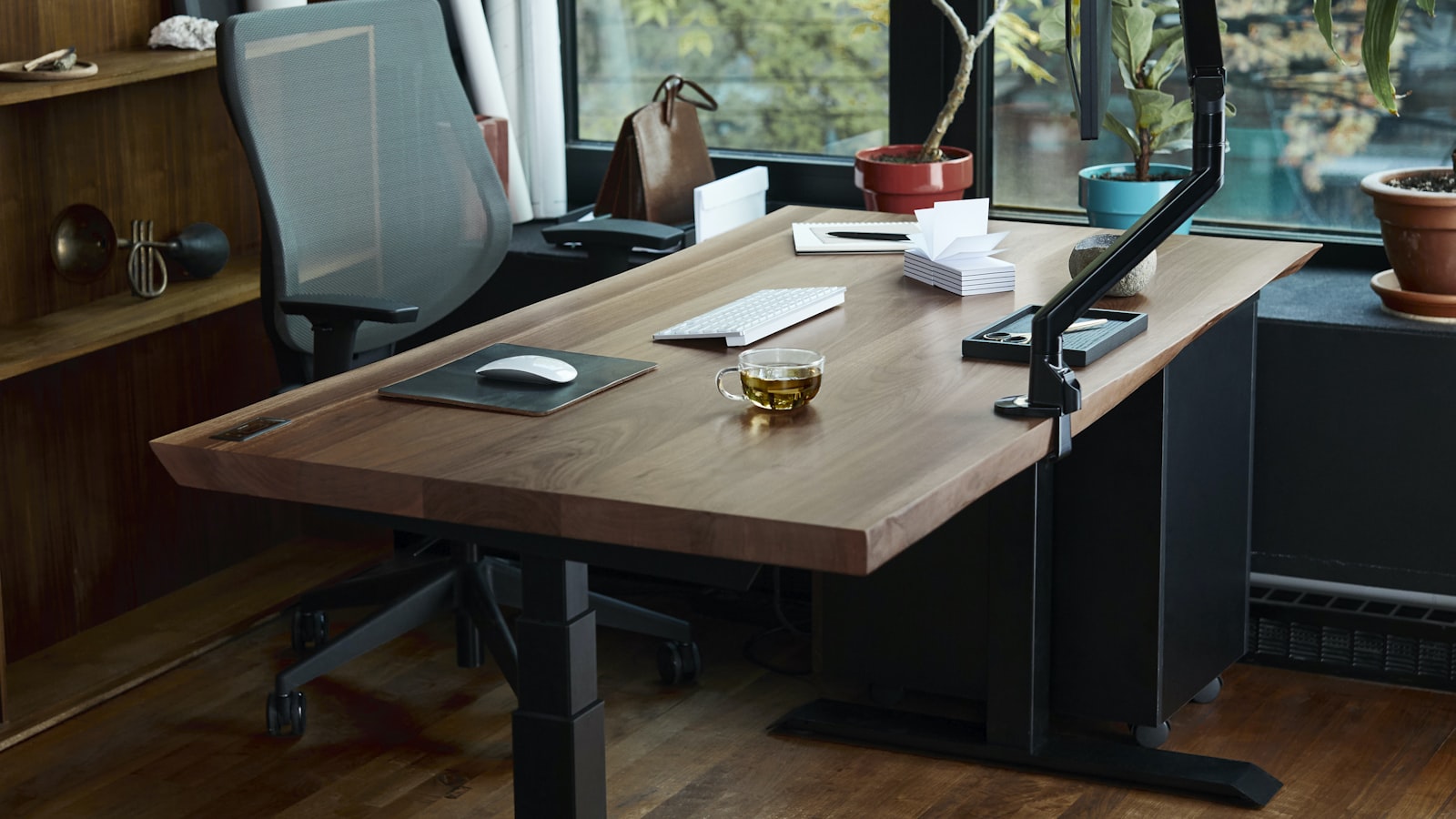
A standing desk solves one kind of stillness, but sitting through a long call still means the legs barely move for an hour at a stretch. A seated elliptical or pedal exerciser tucks under the desk and adds motion to that time without asking anyone to leave the chair. Whether one actually works at a specific desk depends on a handful of measurements that rarely show up in the product photos.
“Elliptical” and “pedal exerciser” describe two different motions, not two brand names
A seated elliptical machine moves the feet in an oval path, similar to a standing elliptical trainer but scaled down and mounted low to the floor. A pedal exerciser, sometimes sold under names like DeskCycle, drives a simple circular pedaling motion closer to a stationary bike. The oval path on an elliptical tends to sit the ankles at a slightly different angle through the stroke, while a circular pedal motion stays more consistent front to back. Neither is better across the board, but confusing the two before buying means the actual foot motion is a surprise on day one.
Knee clearance decides whether the pedal stroke completes at all
A pedal or elliptical base is typically 8 to 10 inches off the floor, and that height stacks against how much room a chair seat leaves for the knees to rise during the top of each stroke. A desk chair set low enough for good keyboard posture can leave too little room for the knees to clear a raised pedal without hitting the underside of the desk. Sliding the chair back a few inches usually buys enough room, but that only works if there’s a few inches to give in the first place. Checking the base height against actual seated knee height, rather than assuming any unit clears any chair, avoids a machine that only half completes its motion.
Resistance type affects both the feel and the noise level
Magnetic resistance uses a sealed magnet and flywheel system that stays smooth and quiet across its full range, which matters most in a room with a phone on speaker nearby. Mechanical or friction resistance instead presses a pad against the flywheel, which tends to wear unevenly and can add a faint scraping sound as the pad ages. A seated elliptical like this DeskCycle Ellipse under desk elliptical uses magnetic resistance across eight levels, so even the lightest setting keeps a steady, quiet stroke. Checking whether a listing specifies magnetic or friction resistance, rather than just an adjustable level count, says more about long-term noise than the number of settings alone.
Listed weight figures don’t always mean the same thing
Some listings post a maximum rider weight, while others post a maximum resistance load the flywheel is built to handle, and the two numbers get used almost interchangeably in marketing copy. A rider weight limit caps who can safely sit and pedal. A resistance load rating instead describes how much force the magnetic or friction system can apply before it stops adding challenge. Reading which figure a specific listing actually means, instead of assuming a stated number covers body weight, avoids buying a unit that’s rated for less than it appears to promise.
- Base height: measure against actual seated knee clearance, not a general “fits most desks” claim
- Resistance type: magnetic stays quieter and smoother longer than friction pads
- Weight figures: check whether a number means rider weight or resistance load capacity
- Footprint: confirm the base has rubber feet or a non-sliding frame before adding chair movement on top
A footprint that won’t slide keeps the base from wandering during use
Pedaling naturally pushes the base slightly with each stroke, and a light frame without rubber feet or a wide stance can walk a few inches across a hard floor over a session. A heavier steel frame with a wider base, or one built with a specifically non-sliding design, stays in place better than a compact unit optimized mainly for storage size. That matters more on hardwood or tile than on carpet, where friction already limits how far a light base can travel. Anyone using a rolling chair nearby should also leave enough gap that the chair’s casters don’t bump the base mid-stroke.
A seated pedal exerciser and a standing walking pad solve the same problem from opposite chairs
An under desk treadmill or walking pad adds movement while standing, which means it competes with the desk’s lowest height setting the way a pedal exerciser never does. A seated elliptical or pedal exerciser instead works from a normal sitting height, so it doesn’t require lowering the desk at all, but it also can’t be used standing up. Choosing between them comes down to whether the point is adding movement to sitting time or replacing sitting with standing, since the two pieces of equipment aren’t really substitutes for each other.
Getting a seated elliptical or pedal exerciser right starts with knee clearance against the chair’s actual seated height, since that decides whether the pedal stroke can complete before anything else about the machine matters. Resistance type and base stability are what decide whether using it daily stays quiet and steady once the basic fit is confirmed.