Guide
How to Choose an Under Desk Treadmill or Walking Pad
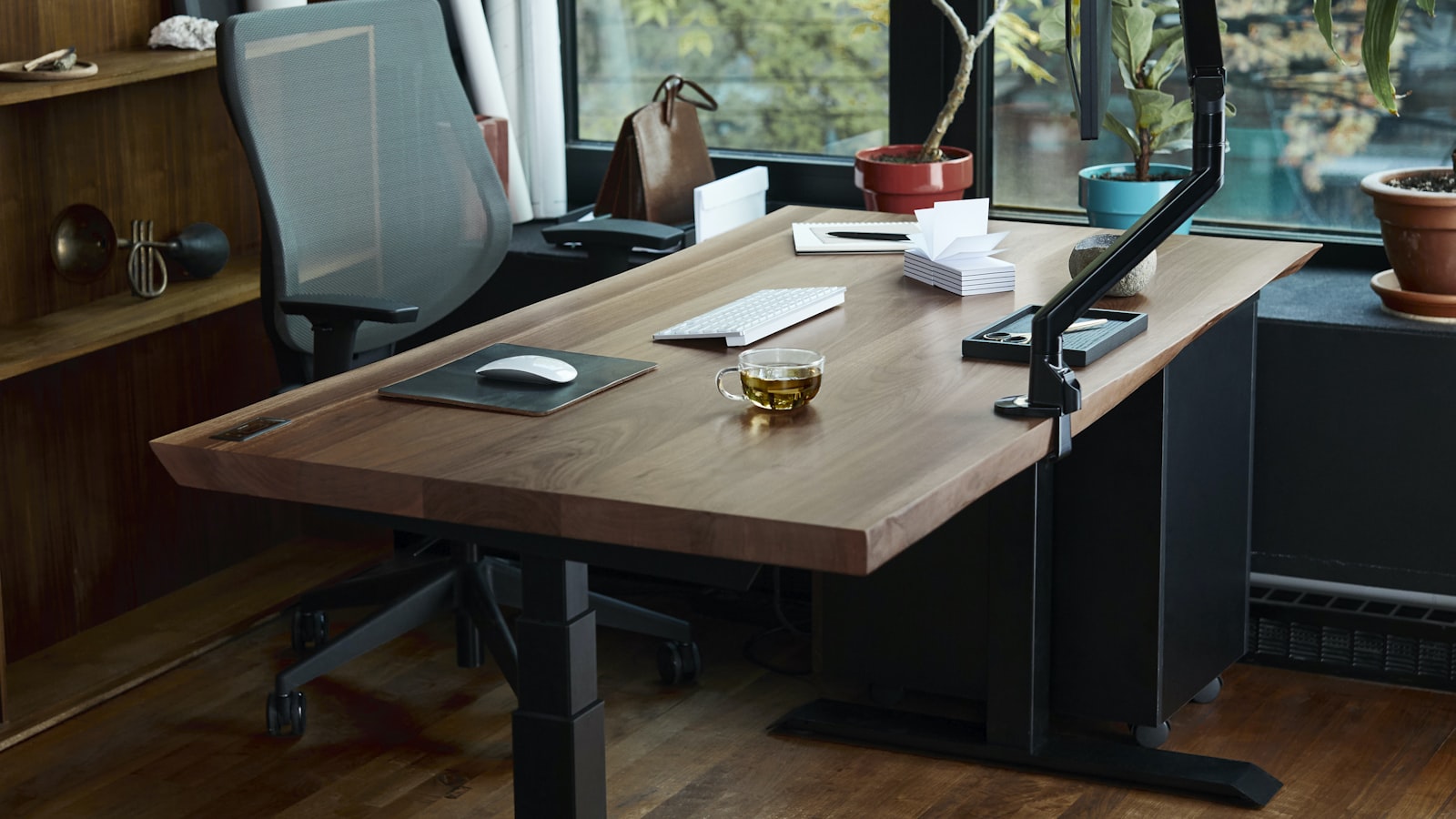
Sitting all day is easy to notice only once a standing desk is already in the room and the standing part still feels static. An under desk treadmill, sometimes sold as a walking pad, adds slow movement to that standing time without turning a workday into a workout. Whether it actually fits under the desk depends on a few numbers most listings bury below the photos.
Deck height has to clear the desk’s lowest setting, not just look thin in photos
A walking pad’s own height, typically 4 to 6 inches off the floor, stacks directly on top of a standing desk’s minimum height. A desk that only lowers to 28 inches with a 5-inch pad underneath effectively starts at 33 inches for anyone standing on it, which can push the keyboard and monitor too high for a shorter user. Checking a desk’s lowest setting against a specific pad’s height, rather than assuming any walking pad fits under any standing desk, avoids ending up with a setup that’s technically walkable but ergonomically wrong.
Speed range matters more for walking pads than raw top speed
Some machines marketed as under desk treadmills fold out a handrail and reach running speeds well above 4 mph, while dedicated walking pads cap out lower and skip the handrail entirely to save space. A model like this Cybergoing T10 walking pad tops out at 4 mph and skips the handrail entirely, sized to slide under a desk rather than to run on. Anyone planning to actually run should look at the handrail and higher speed ceiling of a full treadmill model instead, since a walking-pad-only machine isn’t built for that pace or the impact that comes with it.
Belt size decides whether a normal stride fits without stepping off the edge
A belt listed as 16 to 18 inches wide and 40-plus inches long fits a typical walking stride, but a narrower or shorter belt forces smaller steps or a stance closer to the belt’s edge than feels stable. Anyone with a longer stride or a wider frame benefits from checking the belt’s exact dimensions rather than assuming compact means comfortable. A belt too short front-to-back also means a bigger step lands on the frame instead of the moving surface.
Weight capacity and desk clearance both cap who and what fits
A walking pad’s listed weight capacity, often around 300 pounds, needs to clear the user’s own weight with margin, not sit right at the limit. Separately, the space between the pad’s deck and the underside of the desk needs to clear the user’s head and hands with the desk in its working position. That gap matters more for taller users on a desk that doesn’t lower far enough. Both numbers are static specs from the listing, and both are easy to skip past in favor of speed and noise claims that read as more exciting.
Noise output determines whether it works during calls, not just whether it’s usable at all
A motor loud enough to hear across a quiet room competes directly with a video call’s audio, even at a slow walking pace. Specs describing a machine as “quiet” or “low noise” without a number attached are common and hard to compare directly between listings. Where an actual decibel figure is listed, checking it against a normal conversation’s range, roughly 60 decibels, gives a better sense of whether it will be audible on a call than the marketing language alone.
- Deck height: add it to the desk’s lowest setting before assuming clearance
- Belt size: match to actual stride length and step width, not just “compact” marketing
- Weight capacity: leave margin above actual body weight rather than sitting at the limit
- Noise: look for an actual decibel number, not just “quiet” in the listing copy
Anti fatigue mats and walking pads solve different parts of standing fatigue
An anti fatigue mat cushions a fixed standing position, which helps feet and lower back over a long stretch of staying still. A walking pad replaces that stillness with slow movement instead of cushioning it, which is a different fix for a related problem. The two aren’t interchangeable, and a desk that already has a mat in place may not need a pad layered on top of it unless the goal is specifically to add movement rather than comfort.
Getting an under desk treadmill or walking pad right starts with the height math against the desk’s own lowest setting, since that decides whether the rest of the machine’s specs even apply to a specific setup. Belt size, weight capacity and noise output are what decide whether using it every day stays comfortable once the basic fit is confirmed.