Guide
How to Choose a Wrist Rest for Your Keyboard
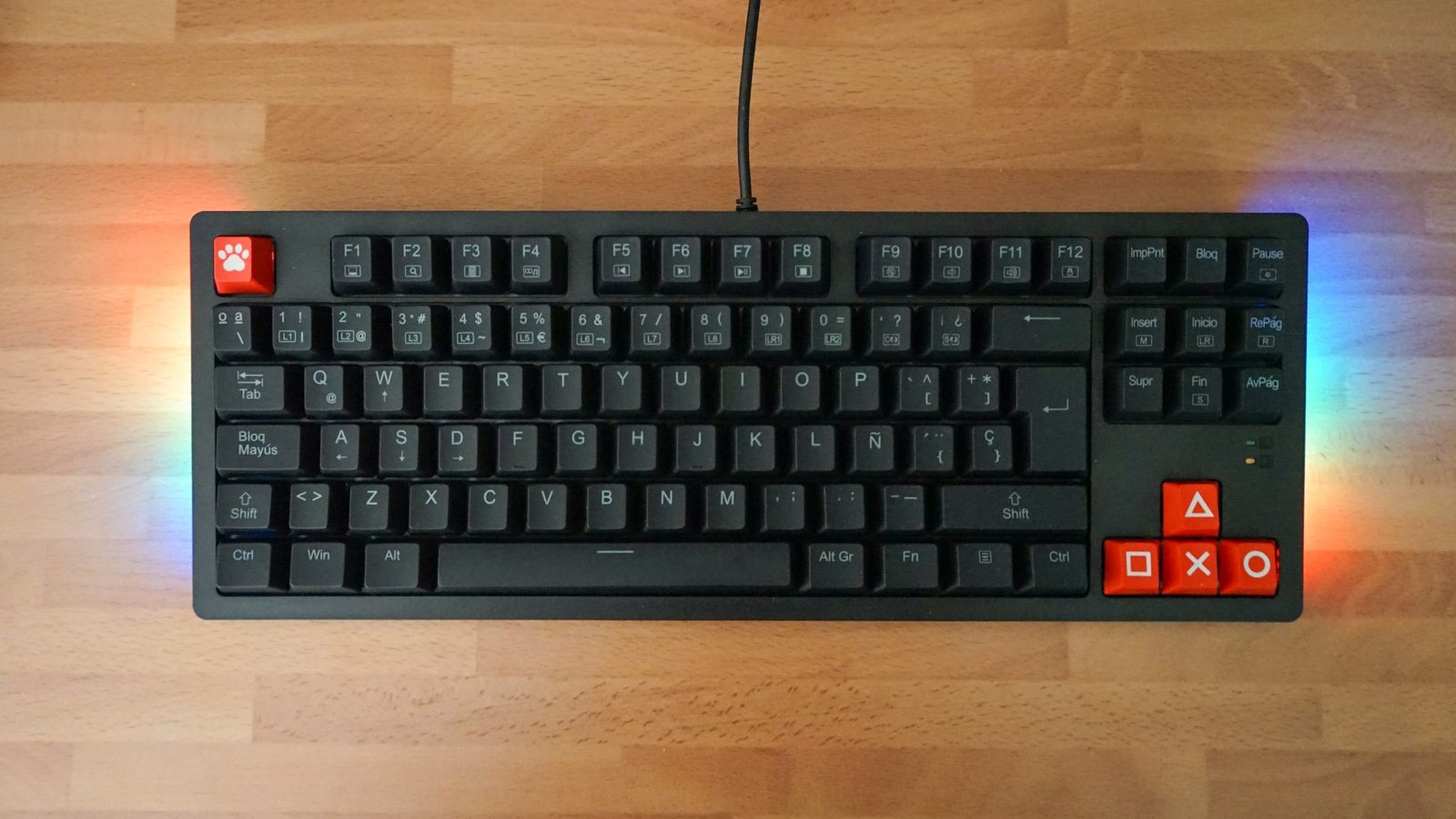
Most wrist rests get bought after the wrists already ache, and plenty of them don’t help. The pad only holds the wrists flat if its height lines up with the keyboard’s own height. A pad that’s too thin still leaves the wrists dropping down toward the desk, and one that’s too thick tips them up at an angle that isn’t much better than having no rest at all. Getting the fit right starts with the keyboard, not the pad.
Thickness has to match the keyboard’s height, not a standard size
Mechanical keyboards vary a lot in how tall the keys sit above the desk, especially once a case has a steep typing angle or sits on rubber feet that add height at the back. A wrist rest that’s too thin for a tall keyboard forces the wrists to angle upward to reach the keys, while one that’s too thick for a low-profile board tips the wrists down instead. Measuring the keyboard’s height from the desk to the bottom row of keys, and matching that against the pad’s stated thickness, matters more than picking whatever thickness looks standard in a listing photo.
Foam, gel and wood each behave differently over a long session
Memory foam contours to the shape of the wrist and holds that shape for a while, but it compresses over months of use and can flatten out in the spot where the wrist rests most. Gel pads stay cooler to the touch and resist compressing the way foam does, though they can feel firmer under sustained pressure since they don’t contour as much. Wood and other rigid rests don’t compress or wear out at all, but they offer no give whatsoever, so the surface finish and any edge rounding matter more on a rigid pad than on a padded one. None of the three materials is wrong, but each one asks for a different kind of desk and typing style.
Width should match the keyboard’s footprint, not just look proportional
A rest sized for a full-size keyboard overhangs or leaves gaps on either side of a tenkeyless or 60 percent board. A compact rest bought for a small board won’t stretch across a full-size layout. A rest like this Glorious padded wrist rest is listed at 440 by 100 by 25 millimeters, a little over 17 inches wide. It’s sold in separate sizes for 65 percent, 75 percent, tenkeyless and full-size boards rather than one pad for all of them. Check a rest’s listed dimensions against the keyboard’s actual width, or the pad will only cover part of the keys.
Firmness affects how well the pad holds a wrist angle over hours
A very soft pad feels comfortable in the first few minutes but can let the wrist sink down into it over a long session, which undoes the flat angle the rest was supposed to hold in the first place. A firmer pad keeps its shape under sustained weight and holds the wrist at a more consistent height throughout a work or gaming session, even if it feels less plush to the touch when first tried. Firmness matters more the longer the typical session runs, so someone doing short bursts of typing has more room to prioritize a softer feel than someone who sits at the keyboard for hours at a stretch.
Surface texture decides whether the wrist glides or stays put
A smooth fabric or coated surface lets the wrist slide slightly as the hands move across the keyboard, which some typists prefer since it doesn’t catch on the skin. A textured or rubberized surface grips the wrist in place instead, which can reduce shifting but may feel like drag to someone used to a smoother pad. Neither texture is objectively better, but it’s worth testing which one feels natural rather than assuming a rest advertised as ergonomic automatically has the right surface for a given typing style.
Cleaning method depends on whether the cover comes off
A cloth-wrapped foam pad without a removable cover has to be spot-cleaned in place, since the fabric can’t be run through a washing machine without soaking the foam underneath it. A rest with a removable, zippered cover can be washed on its own, which matters more for anyone eating or drinking at the desk regularly. Gel and wood surfaces wipe clean directly since there’s no fabric involved, but they can’t be laundered if something spills into a seam or edge. Checking whether a pad’s cover comes off is a small detail that ends up mattering every few weeks once the pad has been in daily use for a while.
Getting a wrist rest right starts with matching its thickness to the keyboard’s height and its width to the keyboard’s footprint, since those two measurements decide whether the pad does its job at all. Material, firmness and surface texture are worth tuning to personal preference from there, and cleaning method is the detail that determines how well the pad holds up once it’s actually part of the daily setup.