Guide
Dorm Room Desk Ideas on a Tight Budget
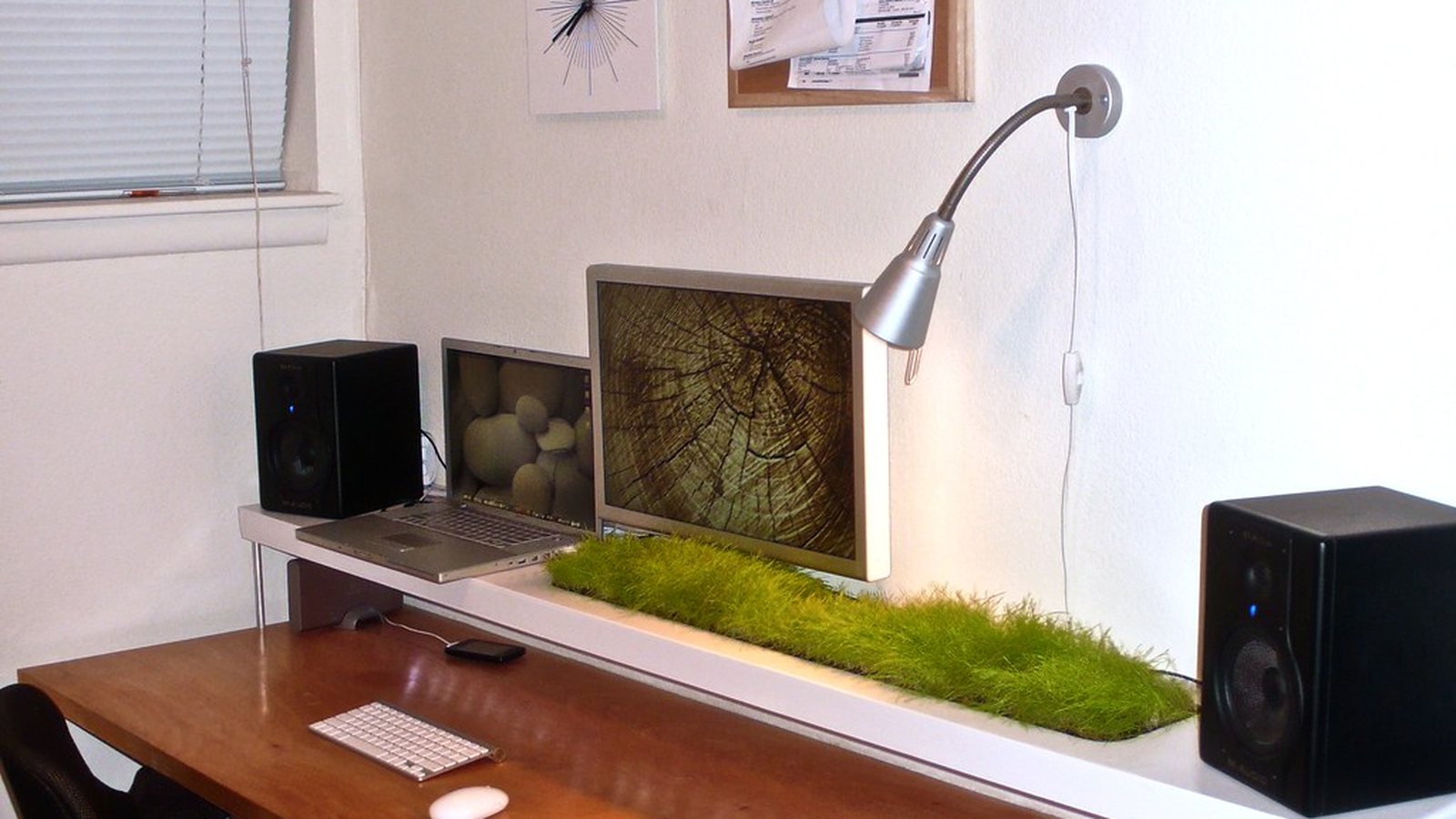
A dorm room isn’t just a small room, it’s a rented one with rules attached, and most of those rules have nothing to do with square footage. The bigger constraints are what you’re allowed to plug in, what you’re allowed to mount, and how much of the room someone else has an equal claim to. A themed setup built around those constraints holds up for the whole year. One built like a bedroom in a house usually runs into a housing policy, a tripped circuit, or an annoyed roommate within the first month.
Work around what you can’t change
Most colleges ban drilling into walls, adhesive hooks that pull paint, and anything that counts as a permanent fixture. That rules out much of the mounting hardware a themed desk leans on: wall-mounted monitor arms, screwed-in LED channels, wall-anchored shelving. Almost everything in that category has a clamp-on or freestanding equivalent instead. A desk-clamp monitor arm does the same job as a wall-mounted one without touching the wall, and an over-the-door or command-strip-rated light strip covers the same visual role as a permanently mounted one. Check your specific housing contract before buying anything that mounts to a surface. Rules vary more between schools than most people expect, and a returned command strip is a lot cheaper than a damage bill at move-out.
Furniture that survives move-out day
Dorm furniture gets packed into a car or a storage unit at least once a year, sometimes twice, and anything that isn’t built for that turns into a casualty by the second move. Fragile shelving, anything with thin particleboard joints, and desk accessories that only work fully assembled are the first things to crack or warp in transit. Favor pieces that either collapse flat or are small enough to wrap and box whole. It costs a little more upfront to buy the version of a desk organizer or light bar that’s rated for repeated setup and teardown, but it’s cheaper than replacing the flimsy version every fall.
Watch the outlet, not just the budget
A dorm room typically runs on far fewer circuits than a house. Most schools also allow only surge-protected power strips, not basic extension cords or unprotected multi-outlet adapters. A room full of gaming gear on cheap wiring is a real fire risk. Before buying anything else, check your school’s specific power strip policy. Some allow only strips with a built-in circuit breaker and a UL rating, and running an unapproved one is one of the more common reasons dorm gear gets confiscated during a room check. A single approved surge-protected strip with enough outlets for your setup is worth buying before any accessory that plugs into it.
Battery and USB-powered lighting beats anything that needs its own outlet
Every themed setup wants a light source, but a dorm’s limited number of outlets means every plug-in accessory competes with your laptop charger, monitor, and everything else for the same power strip. USB-powered LED strips that run off a laptop or monitor’s spare port, and battery or rechargeable accent lights, don’t take up an outlet at all. They’re also the pieces most likely to survive the move home for the summer, since there’s no wall wiring to worry about disconnecting cleanly.
Keep it roommate-friendly
A shared room means your setup’s brightness, sound, and visual footprint are decisions someone else has to live with too, not just you. A keyboard with loud, clicky switches at 1 a.m. is a bigger problem in a shared room than in a private one. A light strip set to a bright cycling rainbow can be genuinely hard to sleep near, especially if it sits in your roommate’s sightline. Talk about brightness, timing, and noise before you buy rather than after a conflict starts. A dimmable, static light and a quieter switch type solve most of this before it becomes an actual roommate problem.
Buy in this order if the whole year’s budget is tight
- Keyboard and mouse, since they’re used every day and do the most to make a rented desk feel like yours
- A power strip that’s actually approved by your school’s housing policy
- USB or battery-powered lighting, since it does the most visual work per dollar without needing its own outlet
- A clamp-on monitor arm if desk space is the tightest constraint
- A desk mat and small accessories, saved for last since they affect the look the least per dollar spent
What to skip until you have your own place
Anything that assumes permanent wiring, like an in-wall light switch or a hardwired ambient light setup, isn’t worth buying for a room you’ll hand back at the end of the year. The same goes for large furniture pieces bought specifically to match a theme rather than to actually fit the room. A dorm room is a one-year rental with someone else’s name on the lease. The setups that hold up treat it that way: fully reversible, easy to pack, and built around the outlet and space you actually have rather than the one you’d have in an apartment.
Hero photo: “Nicholas Todd’s Bedroom Workspace” by Nicholas Todd, cropped and resized, licensed under CC BY 2.0.