Guide
How to Choose a Desk Chair for Good Posture
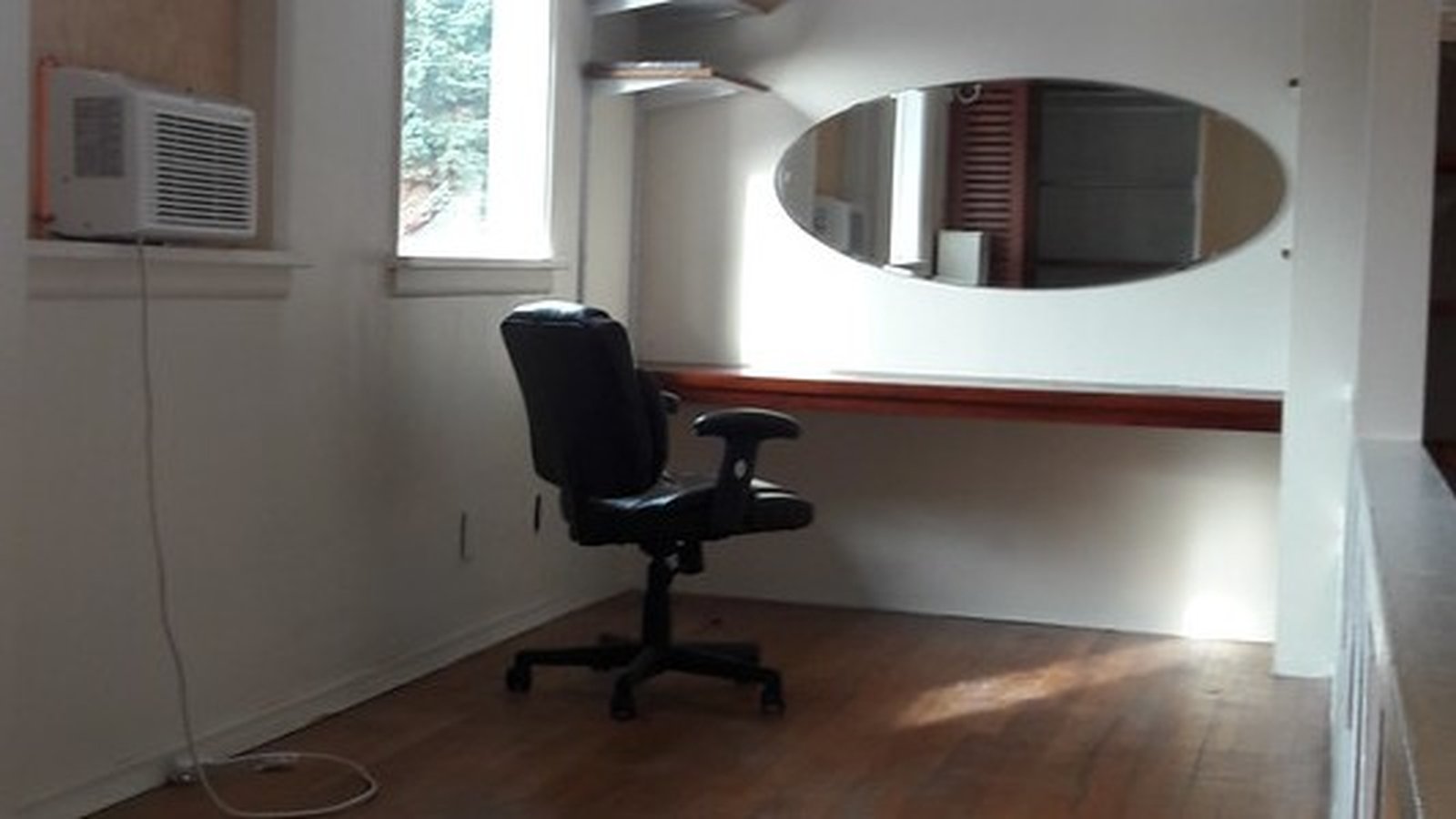
A chair marketed as ergonomic doesn’t guarantee good posture. The label gets applied to almost every office chair sold, whether or not the lumbar support actually moves or the seat depth fits anyone away from average height. A chair only helps posture if a specific set of adjustments exist and actually work, not just show up in the bullet points.
Lumbar support has to move independently of the backrest
A lumbar bump molded into the backrest sits at one fixed height and depth. It helps only if the sitter’s lower back curve happens to line up with wherever the manufacturer guessed it would land. A separate lumbar mechanism that slides up and down and in and out can be set against the actual curve of a lower back rather than an average one. That matters more the further someone’s height sits from the middle of the range the chair was designed around.
Seat depth decides whether the back of your knees actually clears the edge
A seat pan that’s too long pushes into the back of the knees when sitting all the way back, which cuts circulation and pushes the sitter forward into a slouch to relieve the pressure. One that’s too short leaves the thighs without support and most of the sitting weight resting on a smaller area of the seat. A chair with adjustable seat depth solves this by sliding the pan forward or back, and it’s worth checking the actual range rather than assuming any adjustable model covers a wide enough span. A chair like this TRALT ergonomic office chair lists a 17.3 inch seat depth alongside a lumbar support that adjusts for depth. That covers a fairly average frame without sizing up or down to a different model. Depth is the only axis the lumbar support moves on, though.
Backrest recline needs a lock, not just a lean
A tension knob that only resists leaning back holds a reclined position for as long as the sitter keeps pressure on it. Relax, and the backrest drifts forward again. A recline lock that holds at several fixed points keeps the back supported through an actual break instead of requiring constant low-level effort just to stay leaned back. Range matters less than the lock itself, since even a modest recline range is more useful stopped at a chosen angle than a wider range that can’t be held anywhere.
Armrests: height adjustment matters more than the number of axes
Armrest height does the most for posture. Arms set too low pull the shoulders down and forward; set too high, they shrug the shoulders up. Either one adds tension that has nothing to do with the rest of the chair. Width, pivot and forward-back sliding fine-tune from there. A chair with only height-adjustable, flip-up arms still gets the part that matters most right. A missing “4D” spec on a budget chair isn’t automatically a dealbreaker if the height range covers the desk in question.
Seat cushion density affects posture over hours, not minutes
A low-density foam cushion feels soft on the first sit-down. Over a full day it compresses unevenly and tilts the pelvis backward as the padding gives way under the sit bones. That rounds the lower back the same way a missing lumbar support does. Higher-density foam and taut mesh seats both hold their shape longer, and a chair that feels slightly firmer on the first sit is often the one that still holds its posture six months in.
Base and casters should match the floor they’ll actually roll on
A five-point base is the standard for stability and isn’t really a differentiator anymore, but caster material is. Hard plastic casters made for carpet dig into hardwood or laminate and roll poorly, while soft rubber casters made for hard flooring compress and wear faster on carpet. Checking which type ships with a chair, and swapping casters if the floor doesn’t match, avoids a chair that’s hard to roll or that damages the floor underneath it.
None of these adjustments fix posture on their own, and skipping one tends to undo the others. A great lumbar mechanism doesn’t help if the seat depth pushes the sitter forward off it. A locked recline doesn’t help if the armrests are pulling the shoulders out of position. Checking all of them against actual measurements, rather than a spec sheet’s use of the word ergonomic, is what decides whether a chair earns the label.