Guide
How to Choose Armrest Covers for an Office Chair
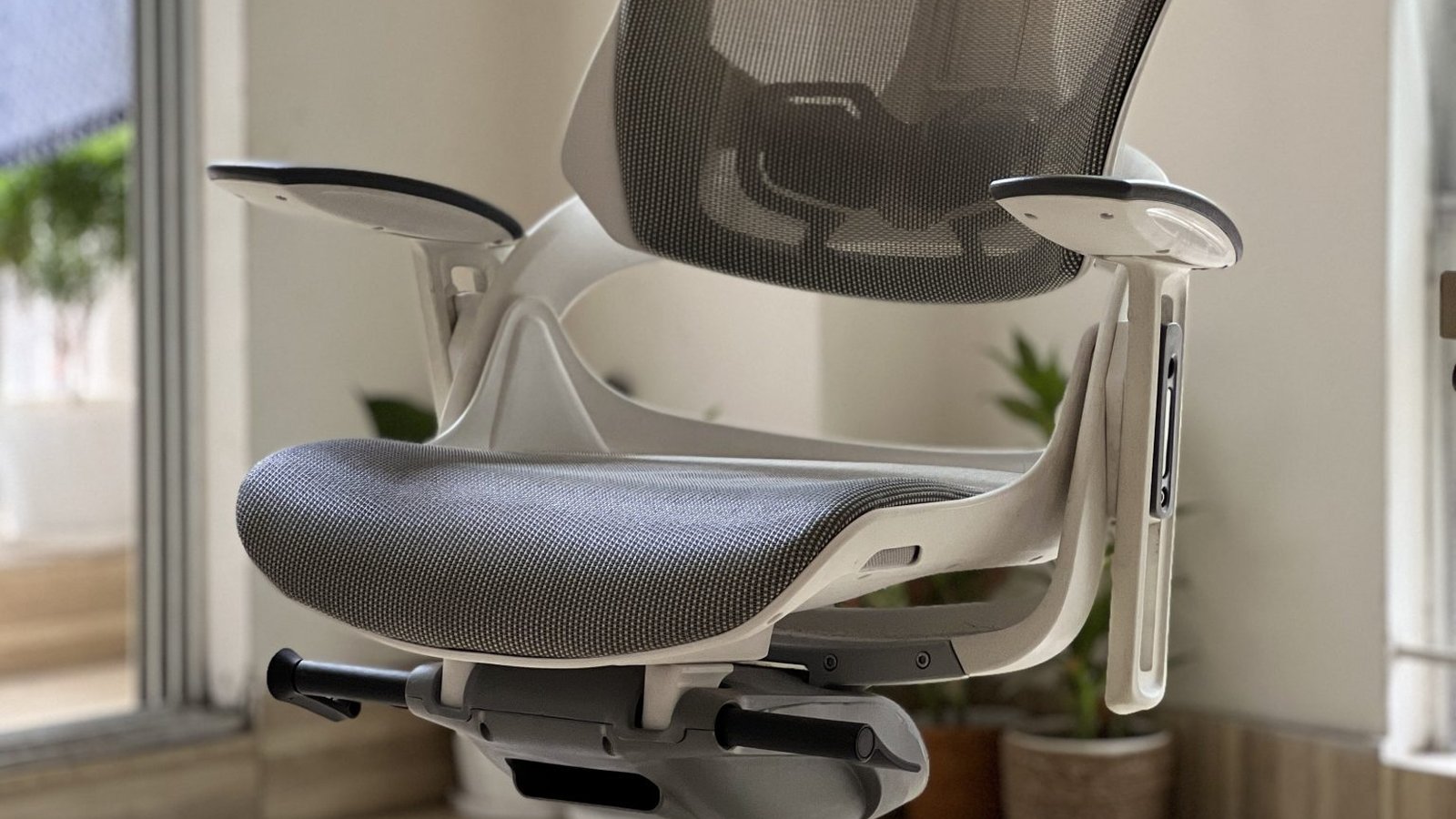
A worn-out armrest is easy to ignore until the cracked foam starts catching on a sleeve every time the chair rolls back. Armrest covers fix that without replacing the whole chair, but only if the cover actually fits the armrest underneath it. A pad bought by eye alone tends to either gap at the edges or crowd the desk from below.
Measure the armrest before adding anything to a listing’s cart
Most armrests sold as “universal” actually list a maximum width, commonly around 3 inches, and a length in the 9 to 11 inch range. An armrest wider than that spec will leave a cover’s edges hanging off, while a narrower one bunches the pad in the middle. Measuring the flat top of the armrest with a tape measure, not eyeballing it against a photo, is the one step that decides whether the rest of the purchase works. Chairs with curved or contoured armrests need extra care here, since a flat pad won’t sit evenly on a shape that isn’t flat to begin with.
Foam thickness changes how high the armrest sits, not just how soft it feels
A cover adds its full thickness on top of the existing armrest, and that height stacks against the desk the same way a keyboard tray or wrist rest does. A WESTERN COMFORT armrest pad runs about 1.3 inches thick in memory foam, which is enough cushioning to matter but thin enough to avoid pushing the elbow noticeably higher against a fixed-height desk. Thicker pads exist and feel plusher, but they can turn a comfortable elbow angle into one that’s too high once the extra inch or two is added in. Checking a pad’s thickness against how much clearance the armrest already has under the desk avoids trading one discomfort for another.
Velcro straps hold better than a pad that just rests in place
A pad that simply sits on top of the armrest, held only by its own weight, shifts every time an elbow slides across it. Straps that wrap underneath and close with velcro, typically 12 to 13 inches long, keep the cover centered through normal use. An anti-slip rubber backing helps too, though it works best paired with a strap rather than replacing one entirely. Reviews that mention a cover sliding around almost always describe a slip-on design without a strap, which is worth checking before buying a style that skips one.
Material affects grip and how often the cover needs washing
A plush polyester or velvet-style cover feels soft but traps oils from skin contact faster than a tighter woven fabric, so it needs washing more often to avoid a shiny worn patch. Machine-washable covers make that upkeep easier, but only if the foam insert is removable first. Leather-look or vinyl covers wipe clean quickly and resist that buildup, though they run warmer against bare skin during long sessions.
- Width and length: measure the armrest directly rather than trusting a “universal fit” label
- Thickness: 1 to 1.5 inches covers most desks without raising the elbow noticeably
- Fastening: velcro straps hold better than an unstrapped slip-on pad
- Material: tighter weaves and vinyl resist oil buildup better than plush fabric
A chair’s own color and the desk height it’s already set to both matter more than they seem
Picking a cover color to match a themed chair is a separate decision from getting the fit right, and it’s worth handling after the sizing question rather than before it. Desk height plays in too: a desk set to the correct elbow height already has little room to spare, so a thicker cover can undo posture work that took real effort to get right in the first place.
Getting armrest covers right starts with the tape measure, not the fabric swatch, since a pad that doesn’t match the armrest’s width and length won’t stay in place no matter how it’s fastened. Thickness and strap style are what decide whether it holds up through daily use once the fit itself is settled.